Blogerroom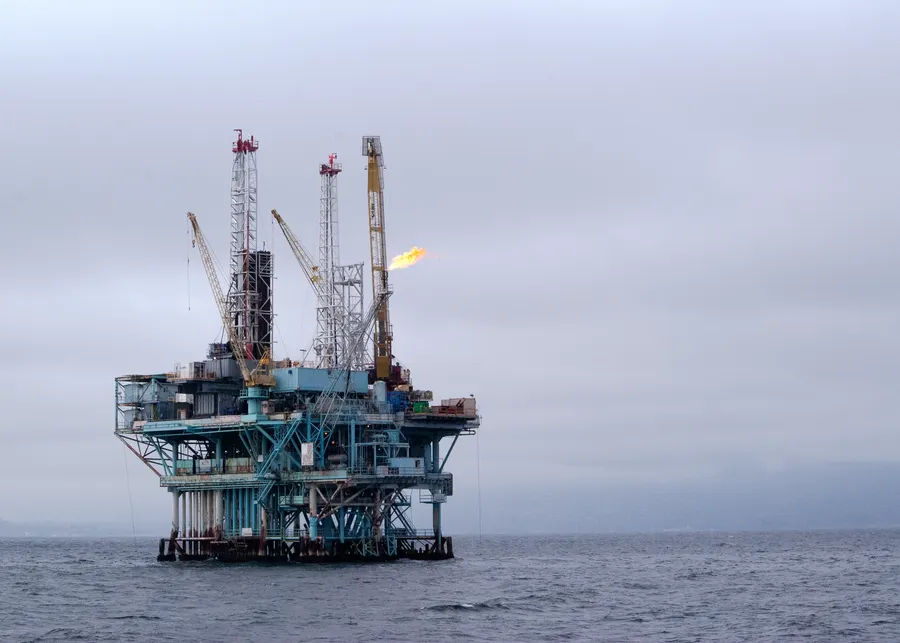
AI Data Center Builder Crusoe Triples to $30B Valuation
Crusoe, once a flare-gas crypto miner, raised over $3 billion at a $30 billion valuation, nearly tripling its worth in under a year.
Ten months ago, investors valued Crusoe at just above $10 billion. On September 3, 2026, Bloomberg reported the company had raised more than $3 billion in a new round that values it at roughly $30 billion, nearly tripling its worth in less than a year. Atreides Management and Valor Equity Partners co-led the financing, with Mubadala Capital, the asset management arm of Abu Dhabi's sovereign wealth fund, joining as a participant.
The round is technically structured as a B+, an extension sitting on top of Crusoe's prior funding series rather than a fresh, newly lettered raise. That's a detail worth noting mainly because it means Crusoe didn't need to reset its negotiating position from scratch to justify tripling its own valuation. Existing investors and new ones alike simply agreed the company was worth roughly three times what it was worth in October 2025, when its $1.375 billion Series E first priced it above $10 billion.
From Burning Waste Gas to Building AI Factories
Crusoe's origin story is genuinely unusual for a company now central to the AI infrastructure boom. Founded in 2018 as Crusoe Energy, the company's original business had nothing to do with artificial intelligence at all. It built systems to capture natural gas that would otherwise be flared and wasted at oil and gas drilling sites, converting that gas into electricity to power computing hardware through a proprietary process it calls Digital Flare Mitigation. That energy-first foundation shaped everything the company built afterward, and it's a large part of why Crusoe now describes itself as the AI factory company: it doesn't just rent out GPU compute the way a typical cloud provider does. It sources its own power, designs and builds its own modular data centers, and runs its own AI cloud platform, called Crusoe Cloud, all under one vertically integrated business.
That modular construction approach isn't incidental. Crusoe opened a factory in March 2026 specifically to manufacture the prefabricated modules its data centers are assembled from, a manufacturing-style approach to building physical AI infrastructure faster than the traditional, custom-built data center model allows.
The Numbers Behind an Almost 3x Valuation Jump
Crusoe's customer list explains why investors are willing to pay such a steep valuation premium. The company already supplies GPU infrastructure to Meta, Microsoft, and OpenAI, and it's the builder behind OpenAI's Stargate campus in Abilene, Texas, whose first 1.2-gigawatt phase is already operational. It also supplies data center capacity to Oracle. That's a customer roster made up almost entirely of the companies spending the most aggressively on AI infrastructure anywhere in the world, including OpenAI's own separate, much larger financing discussions with Nvidia over a proposed $250 billion backstop for a different Ohio data center project.
A Commercial Deal That Wasn't Even Part of the Round
One detail helps explain the timing of investor enthusiasm specifically. Just before this funding round closed, Bloomberg reported that Crusoe had signed a roughly $13 billion, five-year cloud contract to supply quantitative trading firm Jane Street with GPUs and AI infrastructure through Crusoe's cloud platform. That contract is a separate commercial agreement, not part of the financing round itself, but according to Dealroom's analysis, it directly helped attract investor interest in Crusoe's latest fundraising. A five-year, $13 billion commitment from a single customer is the kind of concrete, contracted revenue backlog that makes a tripled valuation considerably easier to justify to new investors than growth projections alone.
Why "Neoclouds" Exist at All
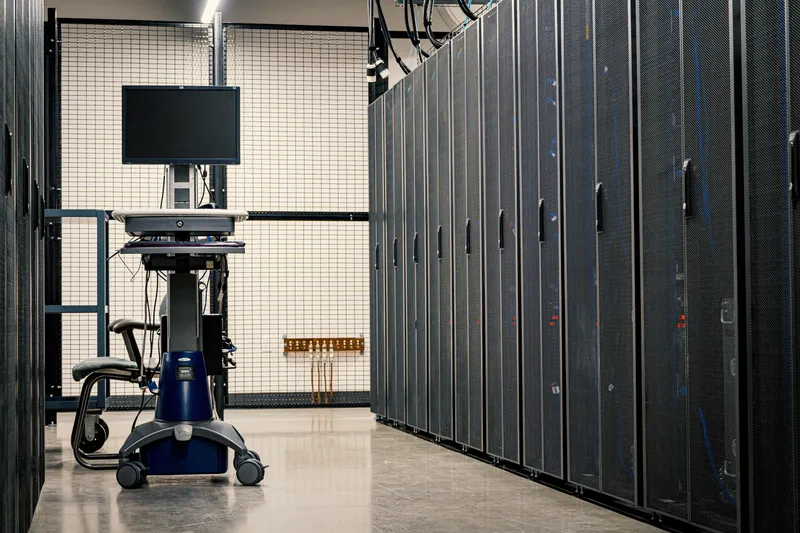
Crusoe sits at the center of a broader category the industry has taken to calling neoclouds: independent GPU cloud providers racing to build physical AI infrastructure fast enough to meet inference demand that traditional hyperscalers haven't been able to clear on their own. That's a genuinely important gap. Serving the inference demand pouring out of models like ChatGPT and Claude requires more than just GPUs sitting in a warehouse. It requires reliable power, and the ability to stand up a working data center around that power in weeks rather than years, exactly the kind of speed that even companies as large as Amazon, Microsoft, and Google have struggled to match purely through their own internal construction pipelines.
That bottleneck has become one of the defining constraints of the entire AI industry this year, visible in everything from South Korea's memory chip makers racing to expand fabrication capacity to Alphabet's own capital spending surge pushing the company to its first-ever negative quarterly free cash flow as it tries to build infrastructure fast enough on its own. Neoclouds like Crusoe exist specifically to fill the gap those larger, more bureaucratically constrained companies can't close quickly enough by themselves.
The Skeptic's Math That's Hard to Ignore
Not every read on this valuation is purely celebratory. Analysis from Pomegra pointed out a fair comparison worth sitting with: at $30 billion, Crusoe is now priced close to or above several publicly traded data-center REITs, companies that carry real, physical assets on their balance sheets and generate actual, reported cash flows from operating leases today. Crusoe's private valuation, by contrast, rests almost entirely on growth expectations and contract backlog rather than a demonstrated, mature earnings history. That's not necessarily a red flag on its own, plenty of legitimately fast-growing infrastructure companies carry valuations well ahead of their current cash flow. But it's a meaningful distinction for anyone comparing Crusoe's $30 billion mark to an established, publicly traded, asset-backed alternative, and it's the kind of gap that tends to get tested hardest during the eventual public listing a company at this scale will likely need to pursue.
What This Raise Actually Confirms About the AI Infrastructure Trade
Crusoe's near-tripling in under a year isn't really a story about one company's execution, impressive as that execution has been. It's further confirmation that the physical infrastructure layer underneath AI, power, data centers, and the GPUs running inside them, has become just as capital-intensive and just as central to investor enthusiasm as the AI models themselves. A company that started out burning waste gas at oil fields is now valued at $30 billion specifically because it figured out how to turn that energy advantage into a faster, more vertically integrated way of building the physical infrastructure the entire AI industry currently can't get built fast enough. Whether that valuation holds up depends on whether Crusoe's actual construction and delivery pace keeps matching the scale of the contracts, and the capital, now betting on it.
Written by
Mr. Aayush Bhatt
Software Engineer with in depth understanding of buliding softwares and Tech.