Blogerroom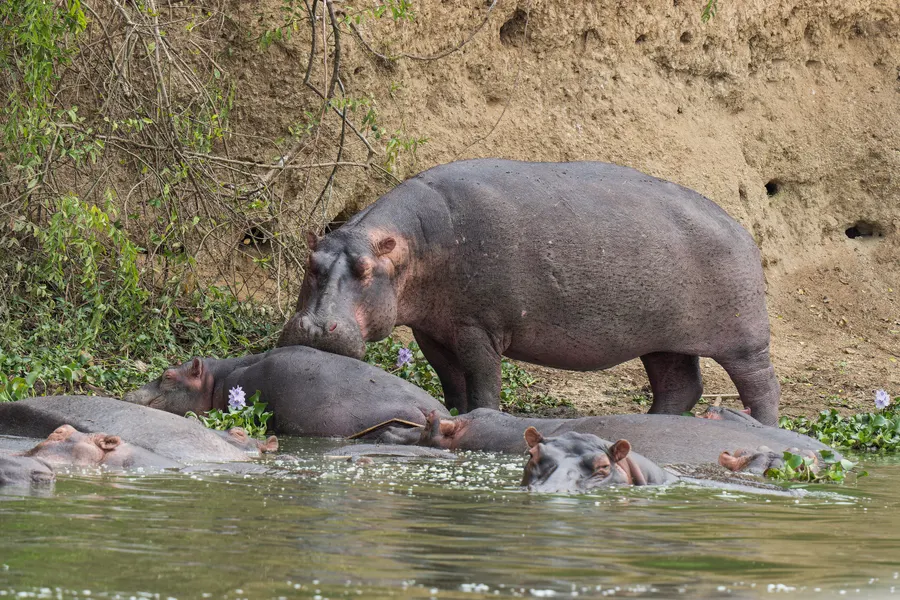
Zambia's Hippo Die-Off: 46 Dead, One Confirmed Anthrax Case
Zambia reports 46 hippo deaths and 21 suspected human cases in Muchinga, but only one hippo has tested positive for anthrax so far.
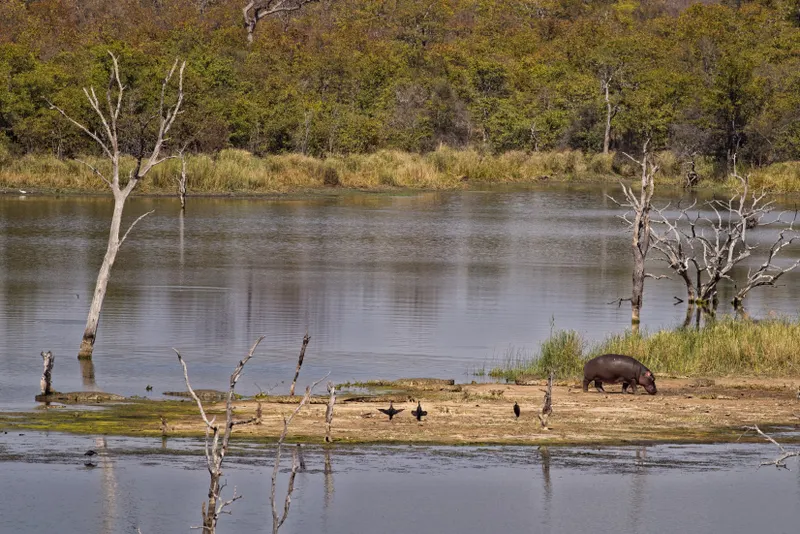
Along a stretch of riverbank in northern Zambia, wildlife officers have spent weeks counting hippo carcasses. The tally stands at 46. Only one of those animals has been confirmed by a laboratory as an anthrax death.
That gap between what is counted and what is proven is the real story of the outbreak in Muchinga Province. Mongabay reported on Sept. 24 that the outbreak was first reported on Aug. 31, and that the country's own disease officials are being careful about what the numbers actually show.
Forty-Six Dead, One Confirmed
Raymond Hamoonga, Zambia's national One Health coordinator, told Mongabay by email that hippos are the species with the clearest laboratory evidence of anthrax, yet the bacterium has been confirmed in just one animal. Samples from five buffalo carcasses came back negative. Ten elephant deaths reported since June are still under investigation, and none has been lab-confirmed. His warning was direct: buffalo and elephant deaths should not be blamed on anthrax without laboratory evidence.
The figures also differ by agency. Zambia's Disaster Management and Mitigation Unit, quoted by the BBC, counted 46 hippos, eight elephants, five buffaloes and one crocodile dead since July in the Munyamadzi Game Management Area. Hamoonga's ten elephants cover a different window. Field investigations rarely produce tidy totals, so every figure here should be read as provisional.
Hamoonga said the current death rate does not threaten the hippo population as a whole. It is still high enough, he said, to justify faster carcass investigation and closer monitoring. My reading: in a disease that kills people who touch the wrong carcass, officials are right to act on suspicion rather than wait for every sample to clear a lab.
Why People Are Eating the Carcasses
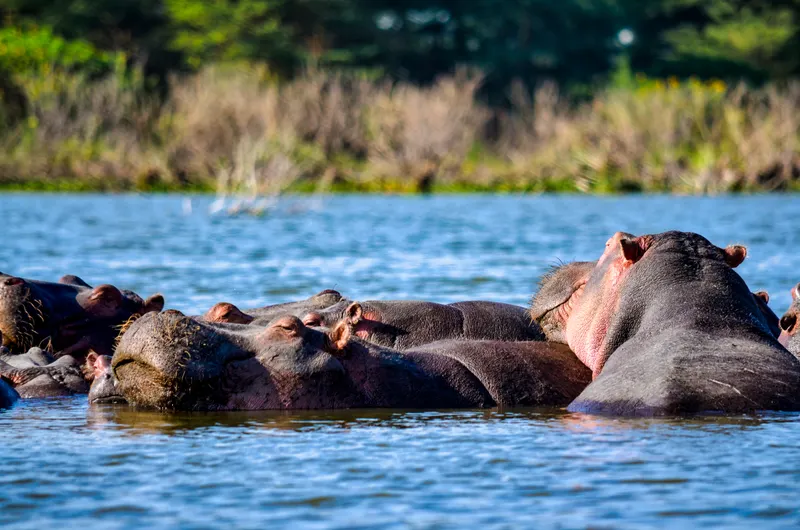
The human side of the outbreak is the part to watch. Norman Chipakupaku, national coordinator of the Disaster Management and Mitigation Unit, said many of the dead animals ended up being eaten by local people, for whom wild meat is a food source. The unit reported 12 infections tied to that meat in mid-September, all under treatment.
The count has moved since. Hamoonga said that as of Sept. 21, 21 people in Muchinga were suspected of having contracted anthrax. One case is laboratory-confirmed and no deaths have been reported. On Sept. 10, the National Disaster Risk Management Division had already advised residents not to eat, handle, sell, slaughter or distribute meat from animals that may have died of the disease, and authorities have asked for hunting in the area to be suspended.
Advisories work best when they come with an alternative. Telling a community to leave free protein lying on a riverbank is a hard message if nothing replaces it. Safe carcass disposal and food support may prove more effective than warnings alone.
Livestock: Where the Vaccine Is Going
Zambia's veterinary authorities say the disease has not reached cattle. Charles Maseka, Director of Veterinary Services, said on Sept. 17 that no anthrax had been detected in livestock this year, and that the cases were in wildlife in the Luangwa and Zambezi ecosystems, according to ZNBC.
The Ministry of Fisheries and Livestock has dispatched 600,000 doses of anthrax vaccine, according to Zambia Monitor. Southern Province received 100,000, Eastern Province 58,000 and Western Province 462,000. Muchinga, where the outbreak is active, received 20,000, about 3% of the total. That allocation looks like a legacy of earlier hotspots. It may also be a reasonable bet, since no livestock cases have been found in Muchinga. If a single infected cow turns up there, the balance will look very different.
A Pattern Zambia Knows Too Well
Anthrax spores can sit in soil for years before entering an animal through the lungs or a wound, the BBC noted, which is why the disease keeps resurfacing in the same landscapes. Zambia recorded 511 suspected cases in 2011, when five people died after eating infected hippo meat, according to the BBC. The World Health Organization's 2023 outbreak notice called that year's event unprecedented, spreading across nine of the country's ten provinces. Four people died, Mongabay noted.
Then came a lull. Surveillance data from the Zambia National Public Health Institute showed no suspected cases in Muchinga in 2025, according to a report by Capmad. That makes this year's return notable, and the timing matters. A summary of the WHO's 2023 notice says cases typically peak near the end of the dry season, around October and November, so the coming weeks are the risky ones.
A Regional Problem, Not Only a Zambian One
Anthrax in hippos is not confined to one country. A handout from DR Congo's Virunga National Park reported roughly 50 hippo deaths from anthrax in April 2025. Health systems across the region are also stretched: in neighboring DR Congo, doctors are already dealing with what Blogerroom reported as the largest outbreak on record of an Ebola relative, which leaves little spare capacity for a second zoonotic scare.
The United States is facing its own animal-borne problem with the return of the flesh-eating screwworm, and the lesson carries over. Diseases that pass between wildlife, livestock and people are caught early only when someone is counting carcasses and testing samples. Zambia is doing both, and its careful language about lab confirmation is a sign the system is working, not failing.
What to Watch Next
Three signals will decide how serious this becomes. The first is whether laboratory confirmations catch up to the 46 reported hippo deaths, or whether some of the deaths turn out to have another cause. The second is whether the 21 suspected human cases climb, especially any severe or fatal ones. The third is whether a single livestock case appears in Muchinga, which would change the outbreak from a wildlife event into an agricultural one.
For now, the most useful number is the smallest one. One confirmed case is a reminder that suspicion is cheap and proof takes time. The response in northern Zambia has to run on the suspicion.
Written by
Mr. Jitendra Bhatt
Msc in Chemistry and field researcher.