Blogerroom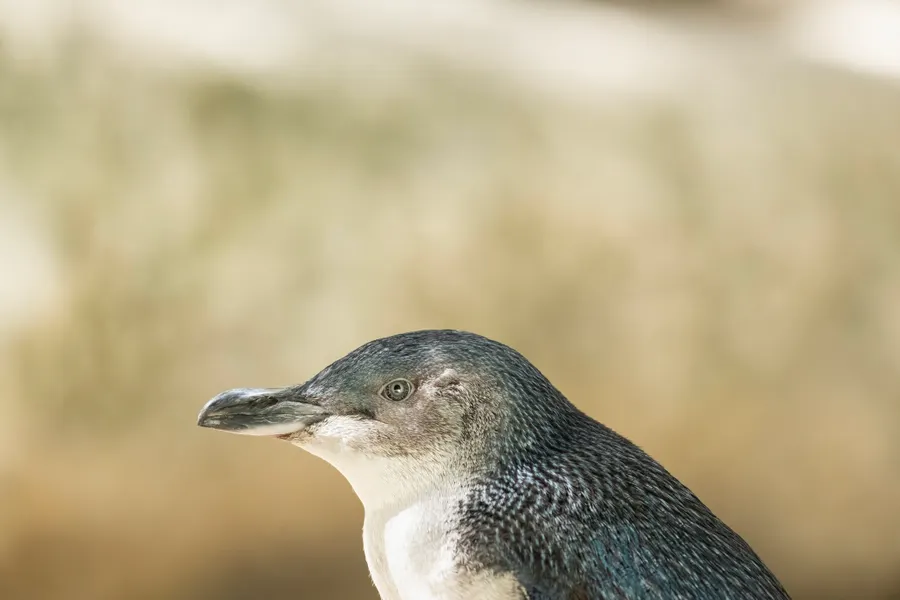
New Zealand Caps Yellow-Eyed Penguin Net Deaths at Four
New Zealand made its Otago set-net ban permanent and, from Oct. 1, allows only four fishing deaths a year for hoiho, a bird down to about 115 nests.
On Oct. 1, a counter will start at zero on New Zealand's south-east coast. It tracks how many yellow-eyed penguins die in commercial fishing gear, and the government has decided it must never pass four. Two days before it starts, the rules behind it are already the most contested part of the rarest penguin's rescue.
What Changed on Sept. 16
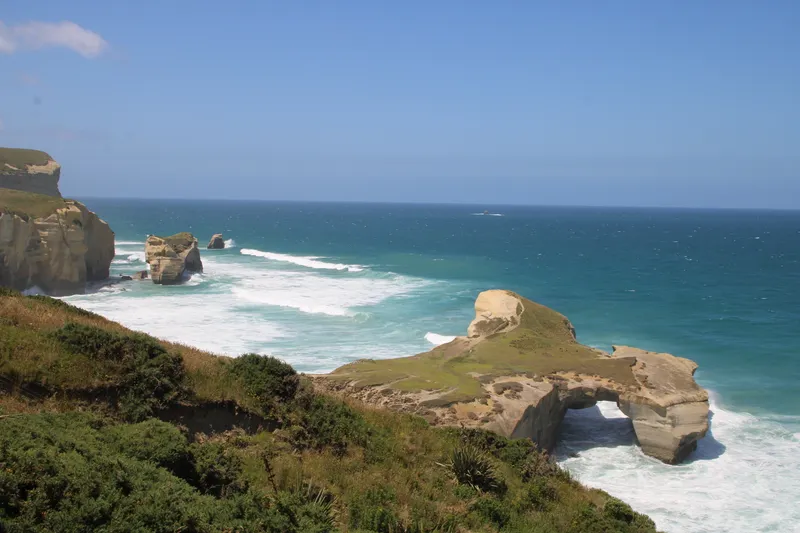
Fisheries New Zealand's notice says a commercial set-net ban around the Otago Peninsula came into force on 16 September 2026. The ban stretches from the earlier four nautical miles out to eight, between Karitāne and Taieri Mouth. Mongabay put that at about 14.8 kilometers offshore.
The ban is not new in spirit. Oceans and Fisheries Minister Shane Jones imposed an emergency closure in September 2025 after pressure from conservationists, and later extended it while officials worked on long-term rules, RNZ reported. What changed this month is that a temporary measure became permanent, over the objections of fishers.

The Four-Bird Ceiling
The second measure starts on Oct. 1. According to Fisheries New Zealand, a Fishing-Related Mortality Limit of four hoiho deaths a year will apply across the species' northern habitat zone. The fishing year runs from Oct. 1 to Sept. 30 and resets to zero each time. The rule states the limit must not be exceeded.
Every time a penguin is caught, the regulator will work with the fisher, Seafood New Zealand and the Department of Conservation through an "escalating response framework," meaning stronger action after each death. In practice, a fourth death would trigger tougher restrictions, not a fine.
Context matters here. Mongabay reported that Fisheries New Zealand counts 18 mainland yellow-eyed penguins killed in set nets since October 2019. Over about seven years, that is roughly 2.6 a year, so a limit of four sits above the recorded average. My arithmetic, not the regulator's. And WWF-New Zealand says only 115 nests remain across mainland New Zealand and Stewart Island, so four birds would be close to 2% of the breeding adults if each nest holds a pair.
How Much Will It Help?
Fisheries New Zealand's own modelling estimated that the set-net prohibitions would cut bycatch risk for the northern population by about 75%. It also found that commercial set-net bycatch is the third-largest source of death for adult hoiho, behind malnutrition and predation, with the risk highest around the Otago Peninsula.
That ranking is the sobering part. Nets are one killer among several. Industry representatives, including a man named Gardner quoted by Mongabay, argue the penguins would not recover even if set netting stopped altogether. Conservationists reply that this is the threat they can end at once. Ellenberg, one of the conservationists Mongabay interviewed, said the killing in set nets could stop tomorrow.
Both sides have a point. A chick-killing gyrovirus, described in a study reported by Earth.com, adds another pressure, and researchers have warned the mainland population could vanish within about two decades. A ban cannot fix that. But nobody has proposed a cheaper way to save an adult bird than not drowning it.
The Counting Problem
A mortality cap has a weakness: it only works if deaths are seen. Set nets are invisible underwater, and penguins that drown in them may never wash ashore or reach an observer's notebook. Conservation groups have long argued that too few fishing boats carry observers. If a death goes unreported, the counter stays at three when it should read four.
Fisheries New Zealand has not said in its published notice how many observers or cameras will back the limit. That is the detail to watch, because the credibility of the whole system rests on it.
It also shows what regulators can and cannot control. Officials can close waters to nets by decree. They cannot legislate away a toxic algal bloom, the kind that recently cut South Australia's giant cuttlefish population by 97%. For a species this close to the edge, the preventable deaths are the ones that count most.
What to Watch After Oct. 1
Three things will show whether the policy works. The first is the number itself: any hoiho death recorded in fishing gear in the first weeks of the new year will test the escalation rules. The second is whether monitoring expands beyond the Otago Peninsula, since the emergency ban covered only that coast while penguins forage well beyond it.
The third is nesting counts next season. Stopping losses at sea is cheaper and faster than restoring a population afterward, the same logic behind a Science study on protecting standing Amazon forest rather than replanting trees. Whether that logic holds for 115 nests depends on how honest the counter turns out to be.
Written by
Mr. Jitendra Bhatt
Msc in Chemistry and field researcher.