Blogerroom
Wildlife Trade Spans 107,356 Species, Double the Estimate
A Science Advances study led by the University of Melbourne finds 107,356 species in wildlife trade, double the old estimate, with major data gaps.
For years, the working number in conservation policy has been about 50,000: the count of species in international trade, as estimated by the Intergovernmental Science-Policy Platform on Biodiversity and Ecosystem Services (IPBES). On Oct. 30, a team led by the University of Melbourne published a paper in Science Advances that puts the figure at 107,356. More than double.
The paper, titled "The true scale of global wildlife trade is obscured by data gaps," was led by Professor Alice Hughes of the university's School of BioSciences. Its title carries the real message. The count went up because someone finally looked across sectors, and the authors say even the new figure may be too low.
Why the old number was so far off
Earlier estimates leaned on the records that were easiest to find, mainly those covering endangered animals. Hughes and her colleagues instead pulled together monitoring data from several industries, including timber, fisheries, medicine, the pet trade and plants, and added fungi, which rarely appear in these tallies at all.
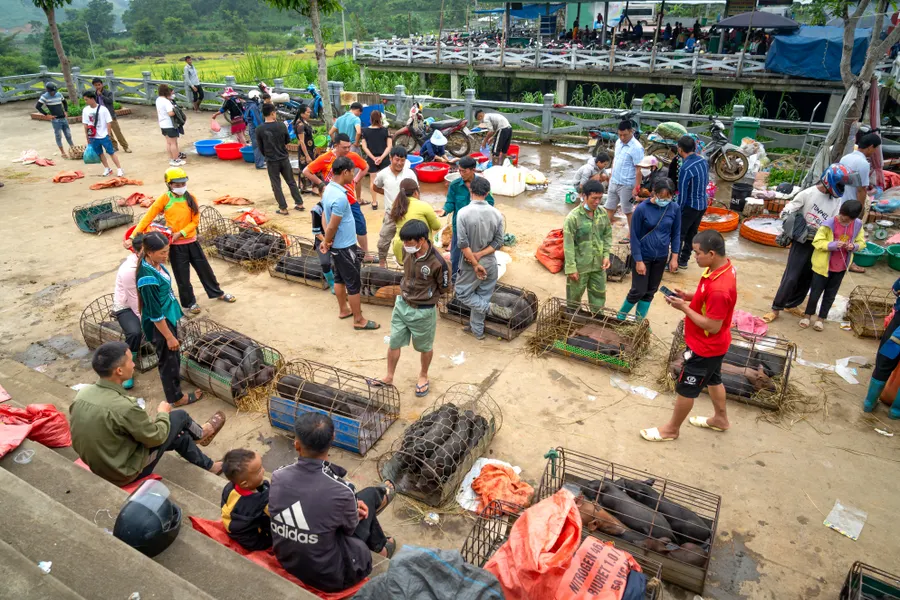
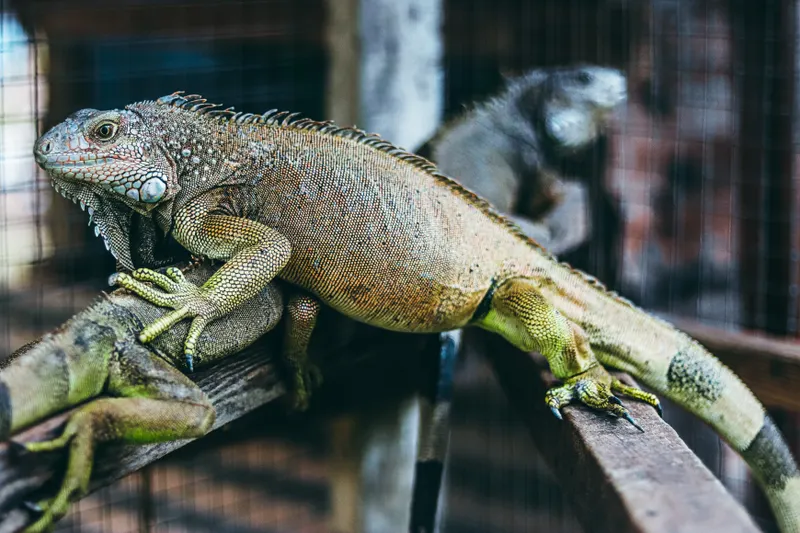
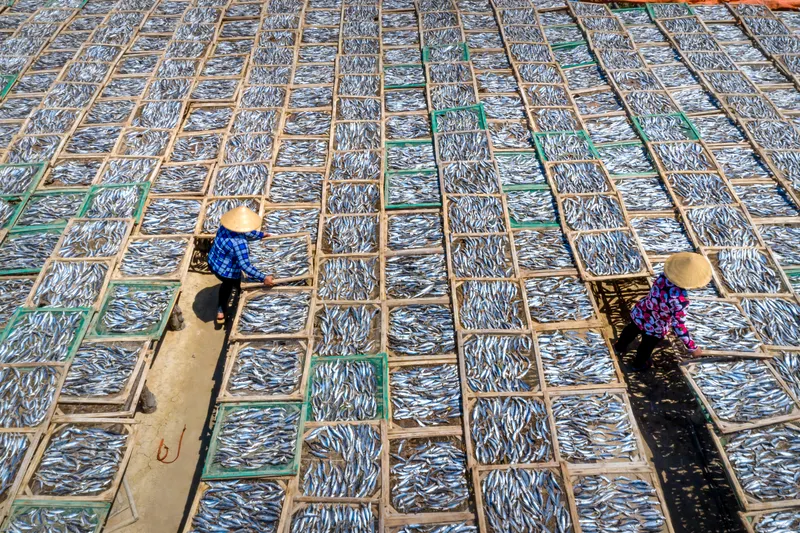
"When we think about wildlife trade, we tend to think about the illegal trafficking of elephants, tigers and pangolins," Hughes said, as quoted in coverage of the study. "But it is much more than that." The list runs from tropical timber and medicinal plants to ornamental fish and morel mushrooms, according to Swiss news reports on the paper.
Most of the trade is also legal. Reporting on the study puts the legal market at roughly $220 to $300 billion a year and illegal trade at about $28 billion to $40 billion. If those ranges hold, the typical wildlife shipment is not a smuggler's crate. It is paperwork, a customs code and a buyer who assumes everything is fine.
Confirmed trade versus possible trade
Headlines have mostly repeated 107,356 as a flat fact, and the paper is more careful than that. The authors document 79,554 species confirmed to be in international trade, potentially for commercial use. The larger figure counts species in use or trade, and it assumes that all documented plant species in use, plus 260 fungal species from the IUCN Red List, are traded.
That distinction matters. Even the lower, confirmed number is about 59% above the IPBES figure, so the central finding survives. But a journalist or policymaker quoting "107,356 species traded" is rounding up the evidence, and the authors themselves frame it as an upper estimate that could still be an undercount.
Where the data goes dark
The sharpest part of the paper concerns who keeps records. According to Hughes, the United States is one of the few countries that stores wildlife trade information at species level, through a database known as LEMIS, which she described in an email quoted by the outlet SL Guardian. Elsewhere, systems tend to track a single sector. The International Tropical Timber Organization follows timber, and the wildlife monitoring network TRAFFIC logs seizures tied to illegal trafficking.
Europe is the awkward case. Hughes said the European Union could be importing considerably more wildlife groups than the US does, but its equivalent system, TRACES NT, is focused on biosecurity and is not accessible enough to make a clean comparison. She also pointed to fast-growing exotic-pet markets in Asia, where consumer tastes can favour very different species from Western ones.
In her words, "for much of the rest of the world, equivalent data simply does not exist." The practical result is that in much of the world, and possibly in Europe too, nobody can say precisely what is coming in. A trade that cannot be counted cannot be capped.
A global target that covers almost none of it
This is where the finding collides with policy. The Kunming-Montreal Global Biodiversity Framework includes a target on wildlife trade, but according to the University of Melbourne statement, Hughes estimates it covers only around two or three per cent of species in trade. The other 97 per cent sit outside it.
The timing is uncomfortable. Negotiators at the UN biodiversity summit in Armenia have just closed COP17 in overtime with a deal but little money, and the funding gap was already stark, with pledges far short of the $200 billion-a-year target. A target that tracks 3% of the market, backed by voluntary finance, is not a regime. It is a placeholder.
The study also offers a caution against over-reading. Hughes told the Spanish science news agency SINC that only a tiny share of the affected populations has actually been studied, so the numbers cannot say how many of the 107,356 species are threatened. Scale and risk are different questions.
What would change the picture
The researchers' ask is modest and specific: record trade at species level, using customs and veterinary checks that already exist, and coordinate the data across countries. Hughes called for far more comprehensive, transparent and globally coordinated documentation if the world is serious about halting biodiversity loss.
The cheapest reform is also the most telling one. Nobody has to ban anything to fix this. Governments only need to write down which species cross their borders. Until that happens, every conservation target tied to trade rests on a number that, by the authors' own account, is still a floor.
Written by
Mr. Jitendra Bhatt
Msc in Chemistry and field researcher.