 Blogerroom
COP17 Final Week: $60M in Pledges vs a $200B Target
A $60.2M pledge to the biodiversity fund on Oct. 26 sits against a $200B-a-year target, as COP17 delegates in Yerevan deadlock over who pays.
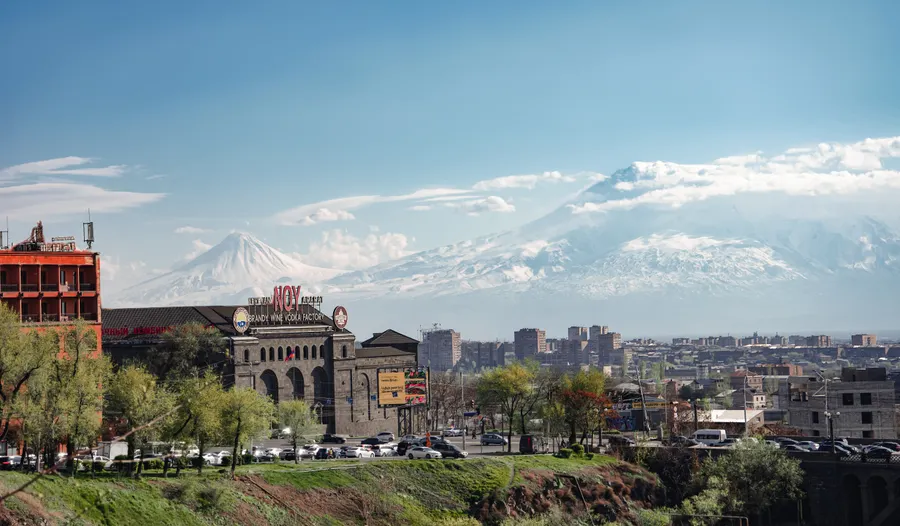
On Monday, October 26, governments announced about $60.22 million in new pledges to the Global Biodiversity Framework Fund, according to a joint statement issued through the Global Environment Facility and reported by The Climate Watch. The UN's biodiversity chief, Astrid Schomaker, called the pledges encouraging signs of growing support for biodiversity finance, Carbon Brief reported. The same week, delegates at the COP17 summit in Yerevan were still deadlocked on who pays for nature, with a closing session due on Friday.
The number and the target
The pledges are modest against the goal. The Kunming-Montreal Global Biodiversity Framework aims to raise at least $200 billion a year by 2030 from all sources, while the OECD estimates current biodiversity finance at $74.9 billion to $92.4 billion a year, according to a legal analysis published ahead of the summit. Other announcements on Monday brought the total of fresh pledges to hundreds of millions of dollars, The Climate Watch said, and a China-backed fund approved $4.5 million for nine projects. None of that changes the scale of the gap.
The Global Biodiversity Framework Fund, set up in 2022, had received less than $400 million from developed countries by July, according to data from the Global Environment Facility shared with Carbon Brief. For international finance, developed countries committed to reach $20 billion a year by 2025. Carbon Brief's analysis suggests that milestone may not have been met, although it says more data are needed for a definitive assessment.
Why the talks are stuck
Money is the issue holding up almost everything else. Delegates are divided over who should pay for conservation and how, according to Dhaka Tribune's report of the talks, with the unresolved items including funding responsibilities, gender equality, human rights protections and inclusive decision-making.
A second fund is moving slowly. The Cali Fund, designed to collect payments from companies that use digital genetic sequence information, has made slow progress, which has heightened concern about the private sector's contribution, Dhaka Tribune reported. Law professor Siva Thambisetty of the London School of Economics told Carbon Brief that the fund is still voluntary and that it is up to countries to create an obligation for companies to contribute.
Draft language also invites governments to explore debt management approaches that avoid financial flows harmful to biodiversity, according to a Third World Network briefing cited by The Climate Watch. That text remains in a negotiating draft and has not been adopted as a COP17 decision. Ministers are also being pressed on reducing subsidies that damage nature.
What the money is supposed to buy
The gap shows up on the ground. Only $24 billion of the $100 billion to $180 billion needed each year for protected and conserved areas is being spent, Mongabay reported, and just 14 percent of threatened species have adequate habitat security. Sixty-five countries have no concrete land protection target at all, including the United States.
That is the context for the headline target to protect 30 percent of land and sea by 2030. Our earlier coverage of a Nature study that found 26.8 percent of land is conserved, versus 18.5 percent officially reported, showed that part of the gap is in recording what already exists. This week's talks show the other part: the money to manage areas well enough to matter. The UN's own scorecard, in its first review before COP17, found fewer than half of assessed targets on track.

Who gets to spend it
A parallel fight is about access. Indigenous leaders, alongside women's and youth groups, have called for direct access to biodiversity finance and greater decision-making power, The Climate Watch reported. Negotiations continue on a new permanent body for Indigenous peoples and local communities under Article 8(j), and on a proposal that would let Indigenous communities allocate part of their territories to count toward the 30 percent goal, if they choose, Mongabay reported.
Gaps remain in how the framework protects people as well as places. Carbon Brief's assessment of Target 22, which covers inclusive participation and respect for Indigenous rights, found gaps in national commitments and reporting, including limited attention to protecting environmental defenders.
What a Friday deal would look like
Delegates are working toward a package called the Yerevan Pathway, a series of decisions to turn the global review into faster action through 2030, and a political declaration titled Taking Action for Nature, which is not legally binding. A total of 113 countries, about 58 percent, have now submitted updated national plans, up from 55 a year ago, according to Carbon Brief, though only 15 percent met the original deadline.
The measure of success is narrower than the headlines suggest. A declaration is easy to agree. What would change the picture is a decision that makes finance commitments concrete, gives the Cali Fund clearer rules and sets a path from tens of millions to the billions the targets assume.
What to watch
The first marker is the closing text on Friday: whether finance language names amounts, dates and who is responsible, or stays general. The second is the Cali Fund, where contributions would show whether voluntary payments work. The third is the next set of pledges. At about $60 million, the Global Biodiversity Framework Fund's latest round is roughly 0.03 percent of the annual target. A deal that does not close that distance will leave the 2030 goals where the UN's review found them.
---
Written by
Mr. Jitendra Bhatt
Msc in Chemistry and field researcher.

