Blogerroom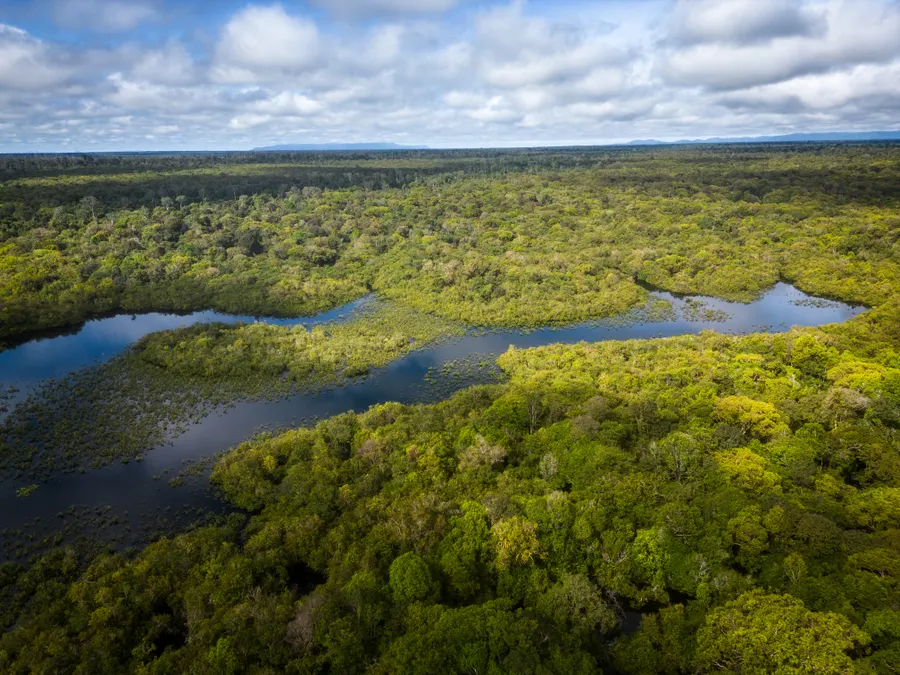
Indonesia's Worst Fires in 11 Years Choke Southeast Asia
Fires on Borneo and Sumatra have burned for weeks, and Malaysia still has 23 areas at unhealthy air levels as a super El Niño dries the peat.
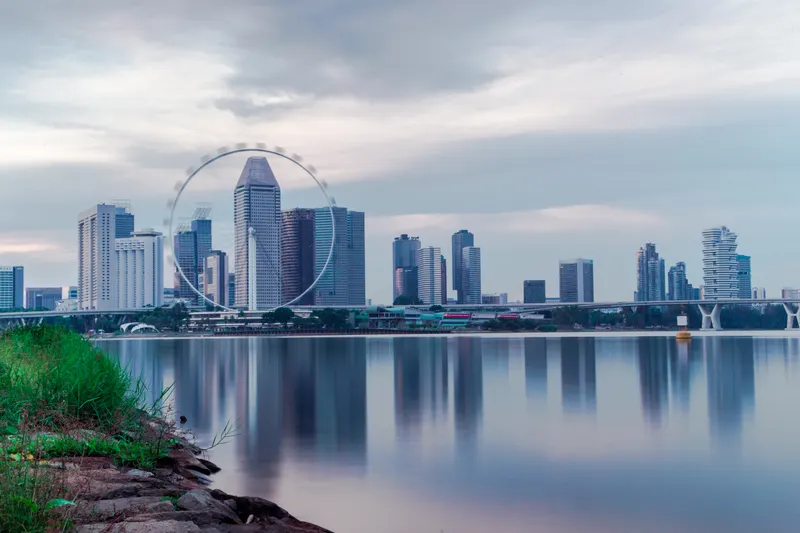
On Wednesday, Singapore and Kuala Lumpur were among the five most polluted cities in the world, according to IQAir data cited by Bloomberg. The cause was not local. It was smoke from fires burning hundreds of kilometers away on Borneo and Sumatra, in what Time called Indonesia's worst wildfire season in 11 years.
The fires have been burning for weeks. The forecast says they are not finished.
Where the Fires Stand Today
Malaysia's Department of Environment said the ASEAN Specialised Meteorological Centre counted 327 hotspots in Kalimantan and 191 in Sumatra on Sept. 29. As of 2 p.m. on Sept. 30, 23 areas in Peninsular Malaysia recorded unhealthy air readings, including Selangor, Johor, Negeri Sembilan, Pahang, Kuala Lumpur and Putrajaya, The Star reported.
Bloomberg said the dry conditions and east-to-southeast winds behind this episode are expected to persist for another week. Indonesian authorities, cited by Time, warned earlier in September that fires could continue into October or early November because the rainy season is forecast to arrive late.
The response is large. Indonesia has deployed more than 50 aircraft for water bombing and cloud seeding, and Japan sent three CH-47 Chinook helicopters, according to Time.
Lit by People, Fed by a Super El Niño
Indonesian officials say most of the fires were set deliberately or by negligence, farmers and companies clearing land. As of Sept. 4, police were investigating 112 suspects and five companies had their licenses suspended, Time reported. President Prabowo Subianto called for tougher penalties and ordered local governments to end exemptions that let smallholders clear small plots by burning.
The pattern is the telling part. A report in the newspaper Kompas, cited by Mongabay, found that fires keep appearing on the same sites year after year, with about half occurring in oil palm concessions. Walhi, an Indonesian environmental group, argued that thousands of hotspots in peatlands, plantations and timber concessions show a land-use model that keeps the risk high.
What makes this year worse is the weather. A "Super El Niño" has brought extended dryness, and dried-out peat is hard to extinguish. Time explained that once dry peat ignites, it can smolder underground for weeks and flare again after surface flames die out. Cloud seeding also struggles when there are fewer rain clouds to work with. Blogerroom recently covered a WHOI study showing that warming is breaking a 400-year link between the Indian and Pacific oceans, a reminder that the climate patterns driving these droughts are shifting too.
The Health Bill
Indonesia's Health Ministry recorded 113,336 cases of acute respiratory infection across seven provinces on Sept. 9, double the count a week earlier, Time reported. Children aged five and younger accounted for nearly a quarter. Central Kalimantan hit an air quality reading of 1,919 on Sept. 2, against a hazardous threshold of 300.
Abroad, Malaysia's health ministry warned in late August that asthma cases rose 259% in one week, Mongabay said. Authorities declared a state of emergency in parts of Sarawak and closed 647 schools across 12 districts, moving nearly 200,000 students to home learning, according to Time. Two volunteers helping to fight fires in Central Kalimantan died after complaining of breathing trouble, Mongabay reported.
Wildlife in the Smoke
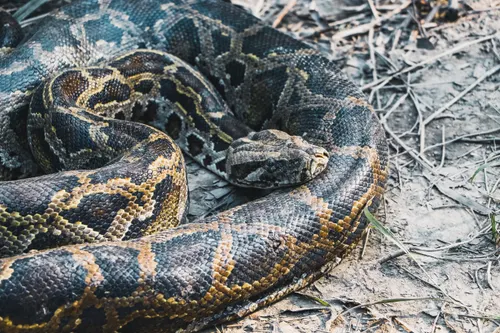
The animals do not get masks. Mongabay said firefighters found snake and pangolin carcasses in burned areas, and a Borneo orangutan rescued from an oil palm plantation in West Kalimantan died days later, with forestry authorities suspecting smoke inhalation.
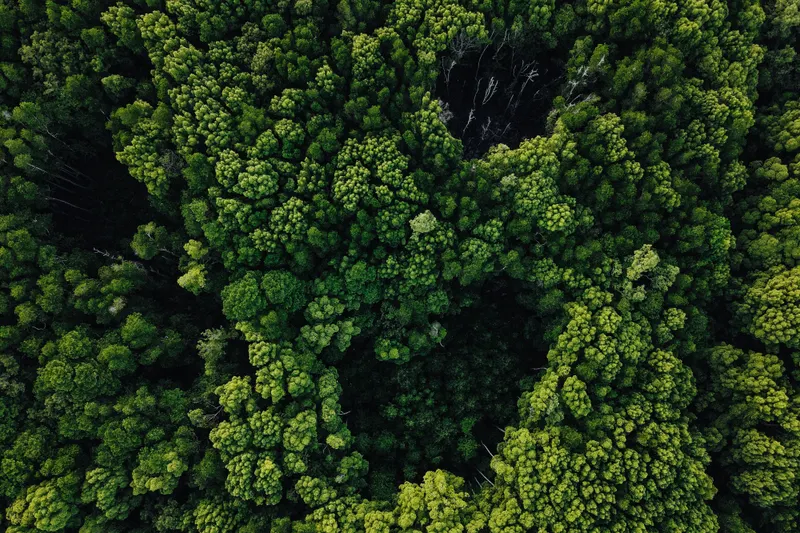
The deeper loss is forest. Mongabay noted that about 18 million hectares of natural forest vanished in Indonesia between 1990 and 2024, with peat swamp forests losing the largest share proportionally. Fire in such places does not simply clear land. It releases carbon stored for centuries and leaves a landscape that burns more easily next time.
That is why prevention matters more than firefighting. A Science study covered by Blogerroom found that protecting standing Amazon forest by stopping fire and logging beats replanting trees on cost and biodiversity. Peat is the Indonesian version of the same lesson: it is far cheaper to keep water in the ground than to restore a burned swamp.
What to Watch Next
The first test is the weather: whether late rains arrive before November, and how long El Niño keeps the region dry. The second is whether Prabowo's ban on small-plot burning is enforced in practice, since the same concession areas keep reigniting.
History sets the price of failure. Time reported that the 1997-98 haze crisis, amplified by El Niño, caused more than $9 billion in losses across the region, and that the 2015 fires burned around 2.6 million hectares and cost Indonesia at least $16 billion, according to the World Bank. Those were years when governments promised change. This year will show how much of it stuck.
Written by
Mr. Jitendra Bhatt
Msc in Chemistry and field researcher.