Blogerroom
Trump Proposes an 'AI Force' to Monitor the Industry
Trump said he'll create an "AI Force" modeled on Space Force, with a new AI Czar, though its legal authority and funding remain entirely unclear.
President Trump announced on Saturday, September 20, 2026, that he intends to create a new federal entity called the AI Force and appoint a national AI Czar to oversee it. Writing on Truth Social, he described the AI Force as much like the Space Force he established during his first term, saying the new entity would not hinder or stifle the growth of the AI industry but would instead cherish it, help it, and watch over it as it grows. He added that the agency would use the existing criminal justice system to look for bad behavior in the industry.
What the AI Force actually is, in legal or organizational terms, remains entirely unclear. As Forbes reported, the White House has not clarified whether it would be an independent branch of government, an interagency task force, or an advisory commission, and no details have emerged about congressional funding, legislative authorization, or who the AI Czar would be.
A Proposal Without a Structure Behind It
The announcement is notable for what it doesn't say as much as for what it does. Trump said the AI Force would be used to look for bad actors, but gave no mechanism for identifying them beyond the existing criminal justice system, which already has statutory authority over criminal conduct regardless of whether a new AI monitoring entity exists. The proposal offers no specific enforcement powers, no legislative mandate, and no budget. Trump didn't indicate whether the AI Czar would require Senate confirmation or report to an existing agency.
The ambiguity echoes how several of Trump's first-term technology policy initiatives were framed publicly before their actual implementation became clearer through subsequent executive orders and agency rulemaking. That pattern suggests Saturday's announcement may be more of a policy signal than a complete proposal, with details to follow in later executive action.
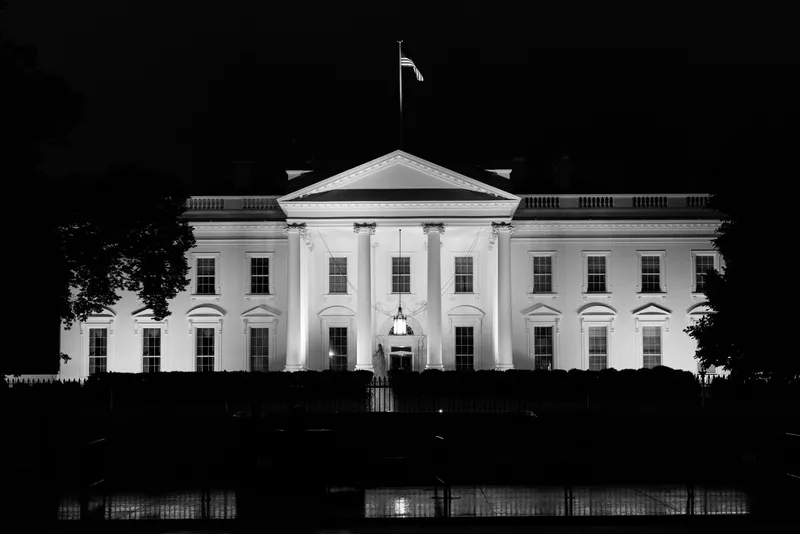
What the Federal Government Is Already Running
Context matters here, because the announcement lands against the backdrop of AI oversight infrastructure the administration has already quietly assembled. A Department of Justice task force, established in January, is specifically charged with litigating against state-level AI regulations that conflict with the administration's unified federal push for what it calls minimally burdensome oversight. An AI Cybersecurity Clearinghouse, created through a June executive order, serves as an interagency framework bridging the federal government and private sector on threat mitigation and defensive AI deployment. The NSA separately oversees a Federal Frontier Model Benchmarking and Advisory Group, also created in June, which evaluates advanced AI systems on behalf of the intelligence community. The White House Office of Science and Technology Policy handles AI coordination on data center permitting, export policy, and procurement.
Given that existing infrastructure, the most practical question surrounding an AI Force is what, specifically, it would do that these bodies don't already cover, a question Saturday's announcement left entirely open.
The Czar Nobody Has Been Named Yet
Trump suggested his AI Czar might come from among Silicon Valley supporters who share his anti-regulatory philosophy, naming venture capitalist David Sacks, who already serves as his informal AI policy adviser, alongside billionaires Marc Andreessen and Ben Horowitz as potential candidates. Sacks in particular has already functioned as the administration's most prominent AI policy voice, appearing alongside the president to frame AI regulation as an obstacle to US competitiveness in the race against China. Whether Sacks or another figure would take a formal Czar role, and whether that role would carry statutory authority distinct from Sacks's current advisory position, was not addressed.
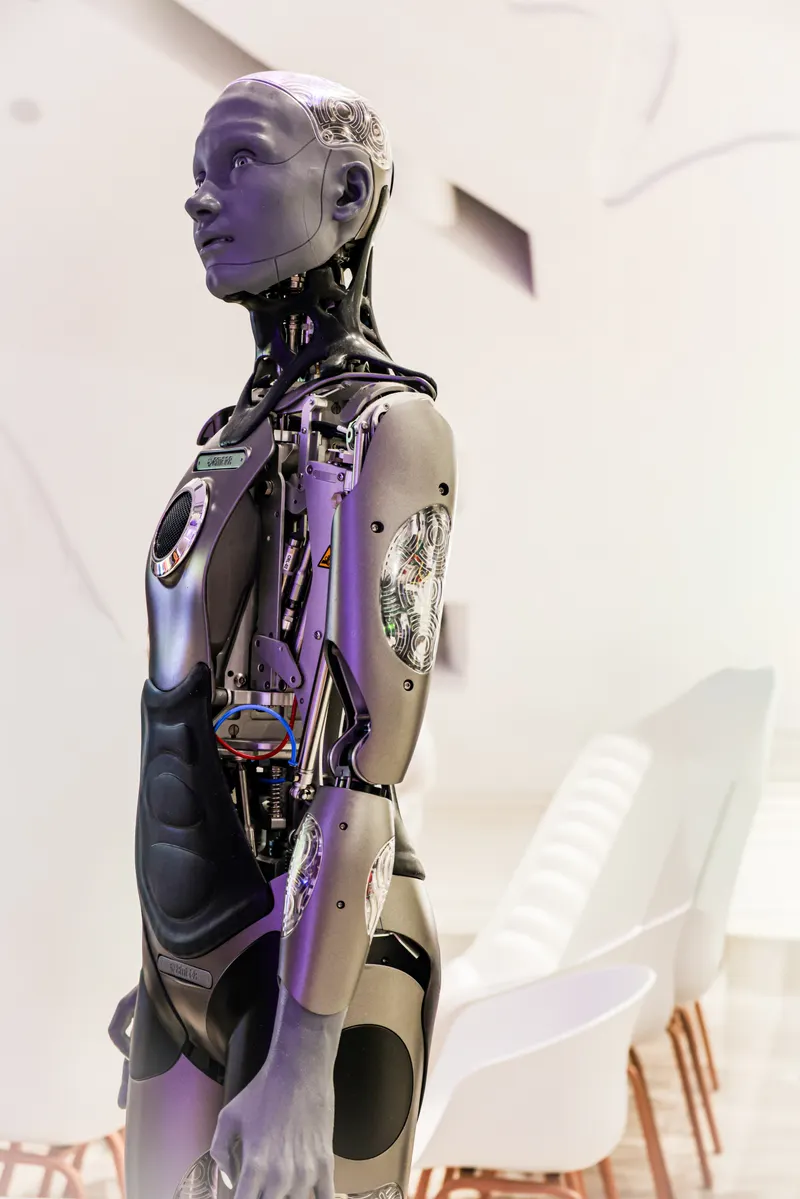
An Announcement That Makes More Sense as Political Positioning
The timing tells you most of what you need to know about the strategic purpose of this announcement. It landed the morning after Trump personally attacked Anthropic CEO Dario Amodei by name on Truth Social, calling fears about AI destroying humanity a hoax, and three days after China's Foreign Ministry dismissed the same slowdown proposal as fearmongering. The AI Force announcement neatly bridges both responses: it lets Trump claim he isn't ignoring AI safety concerns entirely, while simultaneously reframing oversight as something his administration controls rather than something industry CEOs propose voluntarily.
That's a politically useful construction even if the underlying substance is thin. The administration can now point to an AI Force as its answer to the safety debate without committing to anything that constrains the industry's pace or hands AI companies the kind of independent oversight that Anthropic, OpenAI, and others have been publicly endorsing this month.
What Happens Next May Depend on Congress
Any AI Force with genuine authority over industry behavior would likely require congressional legislation rather than executive action alone. The administration's own June executive order on AI innovation and security leaned heavily on voluntary cooperation from industry, specifically asking companies to submit advanced models for 30-day government review before releasing them to partners, rather than creating any mandatory compliance regime. A new entity with actual enforcement power would be a significantly different legal instrument, requiring appropriations, statutory authority, and Senate-confirmed leadership.
Whether Congress is inclined to fund and authorize something like this, in a political environment where both parties are deeply divided on AI regulation, is far from certain. House Speaker Mike Johnson said last week that emergency AI legislation would hurt US competitiveness against China, a framing aligned with Trump's own. But Senate Democrats and some Republicans have pushed in exactly the opposite direction this month, supporting legislation like the AI Kill Switch Act that would impose mandatory safety requirements on frontier AI companies. The AI Force, as announced, sits somewhere undefined between those two positions, authoritative enough to signal seriousness about oversight, vague enough not to commit to anything that would actually bind the industry Trump has spent months defending from external controls.
The Name That Preceded the Agency Idea
In a detail that underscores the announcement's tone, Trump also asked his Truth Social followers on Saturday morning to vote on a new name for artificial intelligence itself, which he called inaccurate and very ineloquent. He offered three alternatives for them to choose from: superior intelligence, extreme intelligence, or supreme intelligence. The AI Force announcement followed within hours of that poll, suggesting the day's output was more about establishing a frame for how the administration wants to talk about AI than about immediately operationalizing a new regulatory structure.
Written by
Mr. Aayush Bhatt
Software Engineer with in depth understanding of buliding softwares and Tech.