Blogerroom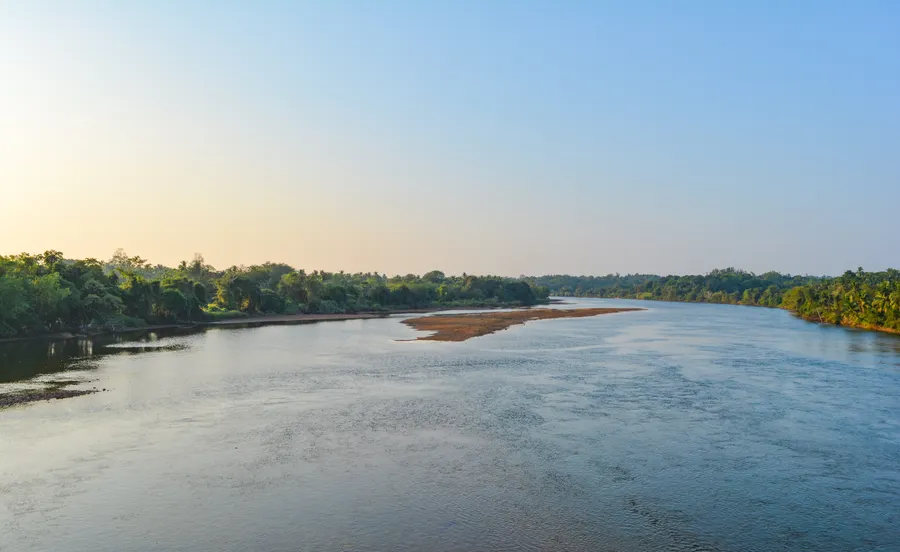
Indian Villagers Stage 'Water Funerals' Over River Project
Madhya Pradesh villagers lay on funeral pyres in a river to protest the Ken-Betwa Link Project displacing 7,000 families.
Fifty-year-old Gyan Rani Gond lowered herself onto a funeral pyre floating in the river. She didn't speak. She didn't look away. Around her, other villagers stood chest-deep in the water with nooses looped around their necks, their faces and bodies smeared in mud, while chants of "Inquilab Zindabad," long live the revolution, rose above the rain.
None of the pyres were lit. That's the point of the Chita Andolan, or funeral pyre protest: a staged death meant to represent what villagers in Madhya Pradesh say awaits them if India's Ken-Betwa River Link Project proceeds as planned. On September 22, 2026, farmers and tribal residents across the region repeated the ritual, standing in the water they say is about to take everything they have.
What the Ken-Betwa project actually is
The Ken-Betwa Link is the first phase of India's decades-old river interlinking program, a sweeping infrastructure effort designed to move water from rivers judged to have surplus supply into regions facing chronic scarcity. Its centerpiece is the Daudhan Dam, a structure that will eventually submerge 10 settlements in and around the Panna Tiger Reserve, displacing an estimated 7,000 families, according to Al Jazeera's longform reporting on the project.
For a government facing mounting water stress in parts of central India, the logic is straightforward: the Ken River reportedly carries more water than the region around it needs, while the neighboring Betwa basin faces shortages. Linking the two, in theory, solves both problems at once. For the villagers whose homes sit in the dam's flood zone, that macro-level logic offers little comfort about what happens to their specific land, specific crops, and specific communities.
Why villagers are staging their own deaths
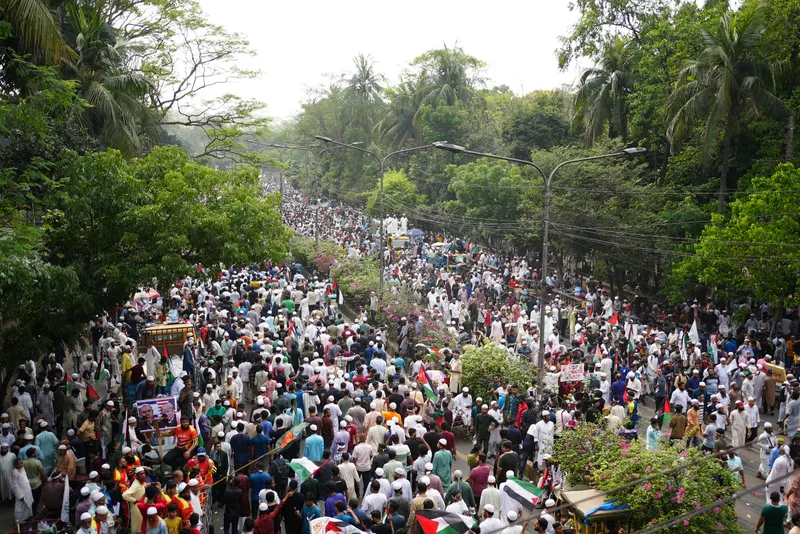
Amit Bhatnagar, the 43-year-old leader of the resistance movement, has spent nearly four years organizing opposition to the displacement, according to Al Jazeera. He described a bureaucratic gap that's fueled much of the anger driving Tuesday's protest: the government's compensation surveys were often conducted years before the actual displacement takes place, creating a mismatch between the family circumstances documented on paper and the reality on the ground by the time eviction arrives.
"Suppose the survey was conducted in 2018 but displacement occurs in 2026," Bhatnagar explained. "During those eight years, children become adults, daughters get married, and family structures change. Despite those changes, compensation continues to rely on the old survey." That gap means families can be compensated as though nothing about their household has changed in nearly a decade, even as it visibly has.
What happens even to families who do get paid
Bhatnagar's account of what follows compensation payments paints an equally troubling picture. He's documented cases where men receiving payouts spent the money on motorcycles and alcohol rather than securing replacement land or housing for their families, some of them later involved in serious accidents on those same bikes. Money meant to secure a family's long-term future, in other words, has in some cases disappeared before any replacement land was ever purchased.
That pattern reflects a broader failure researchers and activists have documented across large-scale displacement projects in India: cash compensation without adequate financial guidance, land-for-land guarantees, or long-term rehabilitation planning tends to leave displaced families worse off within a few years, even when the initial payout looks reasonable on paper.
The costs of nearly four years of resistance
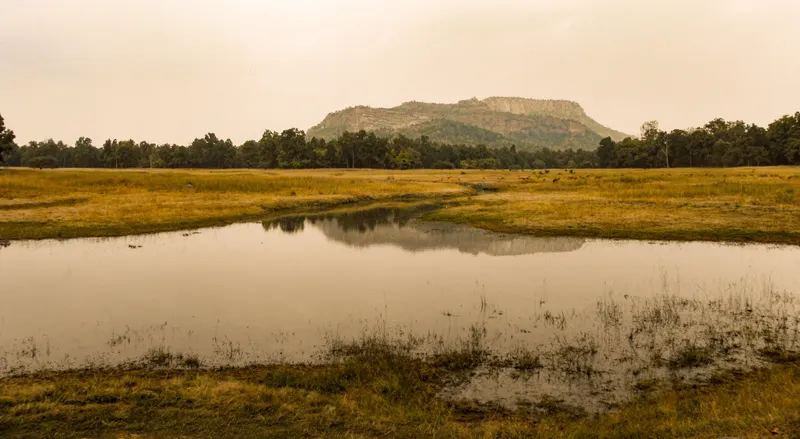
Opposition to the project hasn't come cheap for the people organizing it. Bhatnagar told Al Jazeera that hundreds of protesters have faced criminal cases over the course of the movement, while electricity, water, and ration supplies have been disrupted in some of the affected villages, pressure tactics that villagers characterize as retaliation for their continued resistance.
That kind of sustained friction, stretching across years rather than a single news cycle, is part of why the water funerals staged this week aren't a one-off spectacle. They're the latest escalation in a long-running standoff between a state government committed to a multi-billion-dollar infrastructure project and a rural population that says its concerns have gone unaddressed since the earliest surveys were conducted.
The government's side of the dispute
Authorities maintain that eligible families are being compensated and resettled according to the project's official framework, according to Yahoo News' coverage of Tuesday's protest. That's a claim protesters directly dispute, not by denying that some compensation has been paid, but by arguing the process itself, its timing, its accuracy, and its follow-through, has repeatedly failed the people it was designed to help.
That kind of gap between official policy and lived experience on the ground is a familiar pattern in large state-led infrastructure projects across India, and it echoes dynamics seen in other recent reservation and resource disputes, including the 20-day hunger strike that Maratha quota activist Manoj Jarange Patil only recently called off in neighboring Maharashtra after extracting concessions from that state's government. In both cases, communities turned to extreme, highly visible forms of protest, a hunger strike in one instance, a staged funeral in the other, specifically because more conventional channels for redress had failed to produce results over years of organizing.
What comes next for the villages in the dam's path
There's no indication the Ken-Betwa project itself is being paused or reconsidered as a result of Tuesday's protest. The Daudhan Dam remains under construction as India's flagship river-linking effort, and the government has shown no public sign of altering its compensation framework in response to years of documented grievances from Bhatnagar's movement and the villagers he represents.
What Tuesday's water funerals do accomplish is keeping the human cost of that project visible to a national and international audience that might otherwise only encounter it as an engineering milestone. For the families still waiting to find out exactly when their villages will be submerged, and under what terms, that visibility may be the only leverage they have left.
Written by
Dr. Anand Sharma
Deep Understanding of domestic and international policy.