Blogerroom
Maratha Quota Activist Ends 20-Day Fast, Wins 12 Demands
Manoj Jarange Patil ended his 20-day hunger strike after Maharashtra's government accepted 12 of his 13 Maratha quota demands.
For 20 days, Manoj Jarange Patil refused food, then refused water, then refused the intravenous fluids doctors were using to keep him alive. On Thursday, September 17, 2026, he called it off, standing in Patoda in Maharashtra's Beed district and telling reporters the state government had finally agreed to nearly everything he'd been demanding.
It's the eighth time in three years Jarange Patil has used a hunger strike as leverage in his campaign to secure quota reservations for the Maratha community, and this round pushed further than most, both in duration and in how visibly his health deteriorated along the way.
A fast that nearly became a solo march to Mumbai
Jarange Patil began this strike in Antarwali Sarathi, his home village in Jalna district, and by the 17th day had stopped accepting IV fluids entirely, according to reporting from IANS. His public statements during that stretch carried real alarm. "Burning sensations have restarted in my stomach and legs, and extreme fatigue has set in. I was surviving on saline, but without it, I am completely exhausted," he told reporters, warning that his planned journey to Mumbai might be "my last encounter with the people of Maharashtra."
He pressed ahead anyway. By day 19, doctors monitoring him had issued explicit warnings against travel, but Jarange Patil announced he would leave Patoda for Mumbai regardless, accepting only a small amount of IV fluid and water on the advice of local spiritual leaders after acute weakness made him unable to stand unassisted, according to IANS's coverage of his September 16 press conference. He instructed supporters trailing his convoy to return home rather than accompany him, telling them to march only if authorities tried to physically block his entry into the city.
The government's counteroffer arrives at the last hour
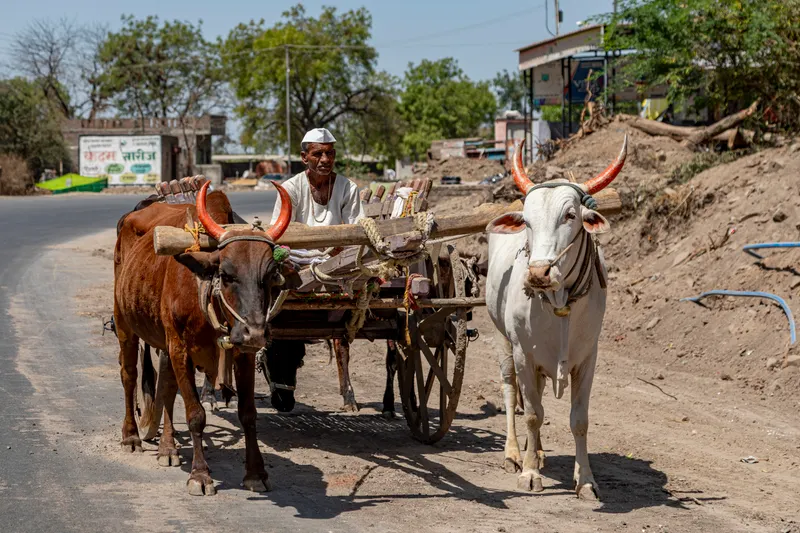
Maharashtra Chief Minister Devendra Fadnavis had already been publicly urging Jarange Patil to abandon the Mumbai march, citing law-and-order concerns tied to the ongoing Ganeshotsav festival season, when talks between the activist and a state delegation produced a breakthrough. The delegation, comprising Ministers Radhakrishna Vikhe Patil and Dadaji Bhuse, MLAs Prasad Lad and Suresh Dhas, and the Beed District Collector, met with Jarange Patil in Patoda and presented a draft agreement addressing his core demands, according to reporting from Madhyamam.
Jarange Patil suspended the strike on its 20th day, but made clear the underlying agitation hadn't ended. He gave the state government a 90-day deadline to implement the Satara Gazette, a document central to how caste certificates get issued in the region, and to provide guarantees around 58 lakh Kunbi records already identified by an earlier state committee. "The battle would not stop until it succeeded," he said, according to Madhyamam's account of his remarks.
What Fadnavis says the government actually conceded
Speaking to media the following day, Fadnavis characterized the outcome as a near-total win for the activist's position. "We are glad that Manoj Jarange Patil has called off his hunger strike. We had urged him to do so. Out of his 13 demands, 12 have been accepted by the government. One demand could not be fulfilled due to legal constraints, which was duly communicated to him," the chief minister said, according to Social News XYZ's coverage of the press conference.
Fadnavis also extended credit to Deputy Chief Minister Eknath Shinde, Minister Vikhe Patil, and MLA Lad for their role in the mediation, framing the resolution as evidence the state could manage the standoff without disrupting the festive season already underway across Maharashtra. He committed to ensuring the cabinet sub-committee's promises would be, in his words, strictly fulfilled.
A campaign that keeps returning to the same core demand
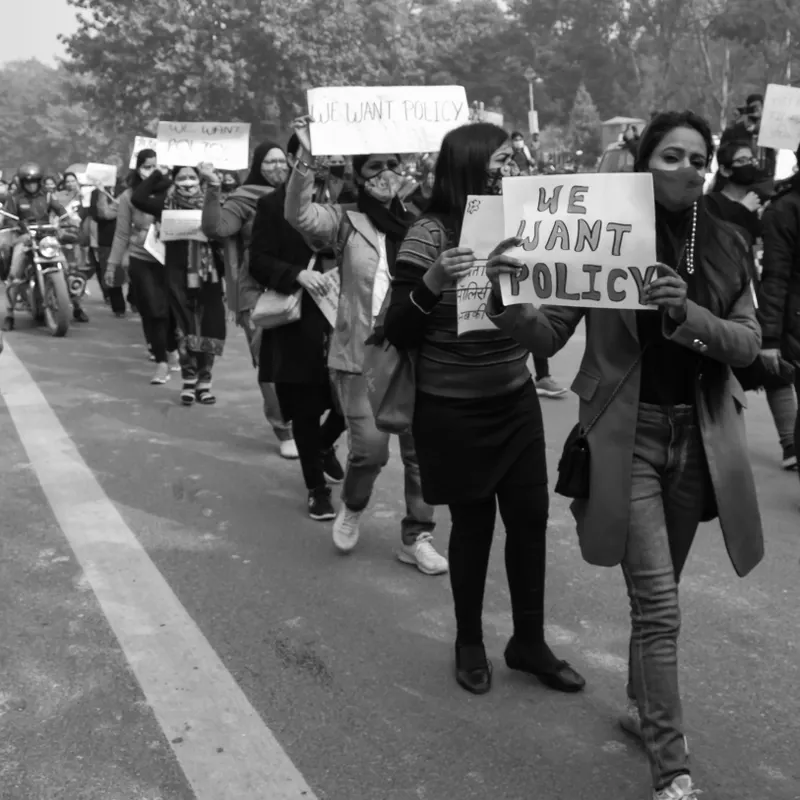
What makes this cycle notable isn't that Jarange Patil went on a hunger strike, he's done that repeatedly since 2023, but how far this particular round pushed before ending. His underlying demand has stayed remarkably consistent across every round: formal recognition of Marathas as Kunbis, a designation that would open OBC reservation benefits to a community that has spent decades organizing around the issue. Earlier rounds of this same fight produced partial commitments, extended deadlines, and, in at least one prior instance, violence, including tear gas use and burned state transport buses back in 2023.
That history matters for how seriously this week's 90-day deadline should be read. Jarange Patil has granted the government similar windows before, only to relaunch hunger strikes when deadlines passed without full implementation. His own framing this week, calling the suspension a pause rather than an end, signals he expects the same pattern could repeat if the Satara Gazette commitments don't materialize on schedule.
Why the scale of this movement keeps forcing government responses
Jarange Patil has repeatedly pointed to the sheer size of the community backing him as his core source of leverage, at one point describing 5.5 crore working-class Marathas as capable of blocking Mumbai entirely if provoked, a claim he's drawn in explicit contrast to what he characterizes as a small, wealthy political elite. That framing, working-class numbers against entrenched political interests, has proven durable messaging across nearly three years of agitation, and it's part of why Maharashtra's government has repeatedly chosen negotiation over confrontation despite the recurring disruption these standoffs cause.
For a state government managing both a major religious festival season and a politically sensitive reservation demand simultaneously, reaching an agreement this week, even a partial and time-limited one, likely counted as the least disruptive available outcome.

What happens if the 90 days pass without action
The practical test of this week's agreement won't arrive for three months, when Jarange Patil's deadline for Satara Gazette implementation comes due. Given the activist's track record, that date is likely to draw renewed national attention regardless of what the state government has or hasn't accomplished by then. For now, Maharashtra gets a peaceful close to its Ganeshotsav season and a temporary pause in one of the state's longest-running political standoffs, while the underlying reservation question, the one that has driven eight separate hunger strikes since 2023, remains formally unresolved.
Written by
Dr. Anand Sharma
Deep Understanding of domestic and international policy.