Blogerroom
GOP Holds First-Ever Midterm Convention This Week in Dallas
Trump and Vance headline a first-of-its-kind midterm convention Sept. 9-10 in Dallas, with 109 speakers and Texas races center stage.
No Republican Party has ever held a national convention in a midterm year. On September 9 and 10, that changes, when roughly 20,000 people fill Dallas's American Airlines Center for what the RNC is calling the 2026 Republican Midterm Convention, and what some party officials have taken to nicknaming "Trumpapalooza."
There's no nominee to crown and no delegate votes to cast. What there is, instead, is a two-night infomercial for the party's midterm message, built around 109 scheduled speakers and headlined by a president who insisted on doing something no sitting president has attempted between presidential cycles.
How an unprecedented convention came together
Trump first floated the idea last year, and the party spent months scrambling to build the infrastructure for an event with no modern precedent. Axios reported the concept moved from Trump's announcement toward an amended RNC rule explicitly authorizing a "special ceremonial convention between presidential conventions," a change national committeeman Bill O'Brien of New Hampshire helped push through at the RNC's January 2026 winter meeting.
Trump made the location official on June 30, posting on Truth Social that Dallas would "take center stage" and calling the gathering "a truly Historic Event," according to NBC News' report on the announcement at the time. RNC Chairman Joe Gruters framed the stakes more bluntly in the party's own press materials, arguing the convention would draw "a clear contrast" between what he described as Republican results on costs and border security against what he called Democrats' "failed agenda."
Who's actually taking the stage
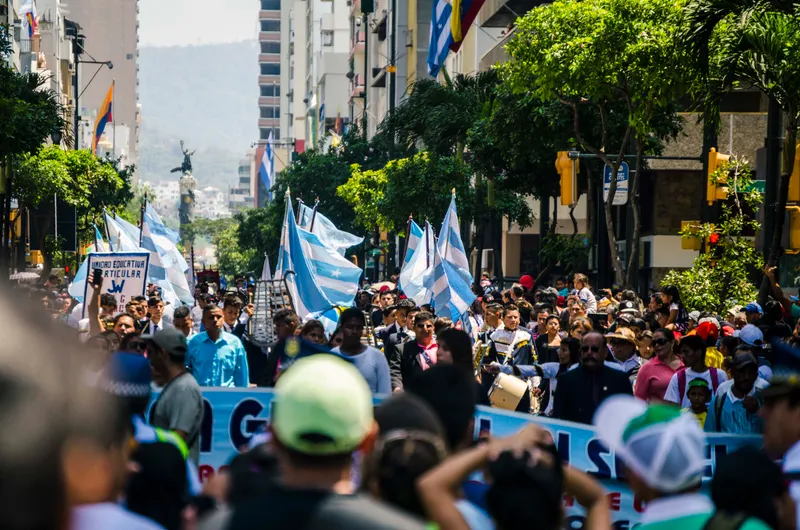
The programming, released in full on September 3, puts Vice President JD Vance in the first-night keynote slot, with Trump speaking both nights and closing the event on night two, according to Fox 4 Dallas-Fort Worth's coverage of the schedule. Axios reported that Treasury Secretary Scott Bessent and Health Secretary Robert F. Kennedy Jr. are also on the preliminary speaker list obtained ahead of the event, alongside candidates running in some of the country's most competitive 2026 races.
That lineup choice is deliberate. Since Trump himself isn't on any ballot this November, the entire purpose of the event, as Axios put it, is turning out Trump's base for the candidates who are, particularly in the down-ballot races the party views as most at risk. Beyond the marquee speakers, the schedule spans tax relief, border security, public safety, and other conservative legislative priorities across two full days.
Why Texas specifically, and why now
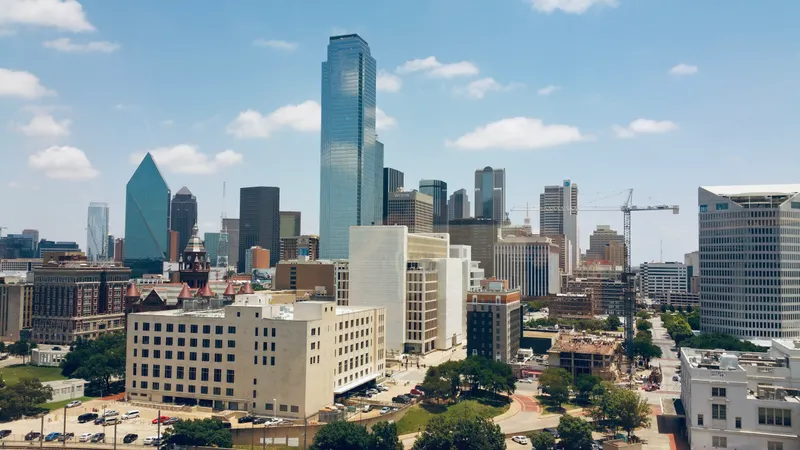
Dallas wasn't an accidental pick. The Fort Worth Report noted that the choice deliberately puts Texas, and its unusually competitive 2026 map, at the geographic center of the midterm fight, including the closely watched Senate primary between Attorney General Ken Paxton and state Rep. James Talarico. Local Republican strategist Vinny Minchillo, quoted in that same reporting, described the electorate's mood around Paxton as genuinely uncertain, with voters "nervous" and possibly looking for an alternative candidate.
That uncertainty matters because it undercuts the assumption that a Texas Senate race should be an easy hold. The convention gives national Republicans a concentrated moment to inject enthusiasm and financial support directly into Texas contests that party strategists privately worry are closer than the state's recent history would suggest. That anxiety over base turnout in competitive districts isn't unique to Texas, either, as campaigns nationwide have already leaned on unconventional messaging, including a wave of midterm ads attacking AI data centers from candidates in both parties, a sign of how unsettled this cycle's political terrain has become even within party lines.
The money behind the spectacle
Conventions of this scale don't run cheap, and this one is being financed almost entirely through private fundraising. The Fort Worth Report reported that the Dallas Host Committee, a nonprofit created specifically to support the event, raised $45 million in private donations in under a month, with contributions arriving from donors across Texas and beyond.
That fundraising pace reflects both the scale of ambition behind the event and the practical reality that hosting 20,000 attendees and 109 speakers across two nights at a major arena isn't a low-budget undertaking. It also raises a familiar local question, one Dallas has faced before with past political conventions: how much of the remaining cost, if any, ultimately lands on the city's taxpayers rather than the private host committee.
What this signals about the road to November
A midterm-year national convention without nominations or delegate business is, functionally, a very large and very expensive rally. But the choice to hold one at all says something about how this administration wants to run the final stretch before November, leaning into spectacle and direct voter mobilization rather than a quieter, more traditional get-out-the-vote operation.
Whether it moves turnout in the races that matter, particularly a Texas Senate contest that party insiders no longer treat as automatic, will be one of the first real tests of whether a midterm convention format is worth repeating. If Republicans hold their Texas seats in November, expect Democrats to reconsider the midterm convention they've so far ruled out for themselves; if they don't, this week's spectacle in Dallas may end up remembered as an expensive one-off, alongside the broader fight over campaign advertising rules that the Supreme Court's decision to preserve the GOP's discounted TV ad rates for coordinated spending has already tilted in the party's favor heading into the fall campaign.
Written by
Dr. Anand Sharma
Deep Understanding of domestic and international policy.