Blogerroom
France: 2,300 Arrests After Riots as 2027 Race Heats Up
Over 2,300 arrests followed France's Oct. 17 protests; the government blamed the far left, Mélenchon blamed police, and every camp eyes 2027.
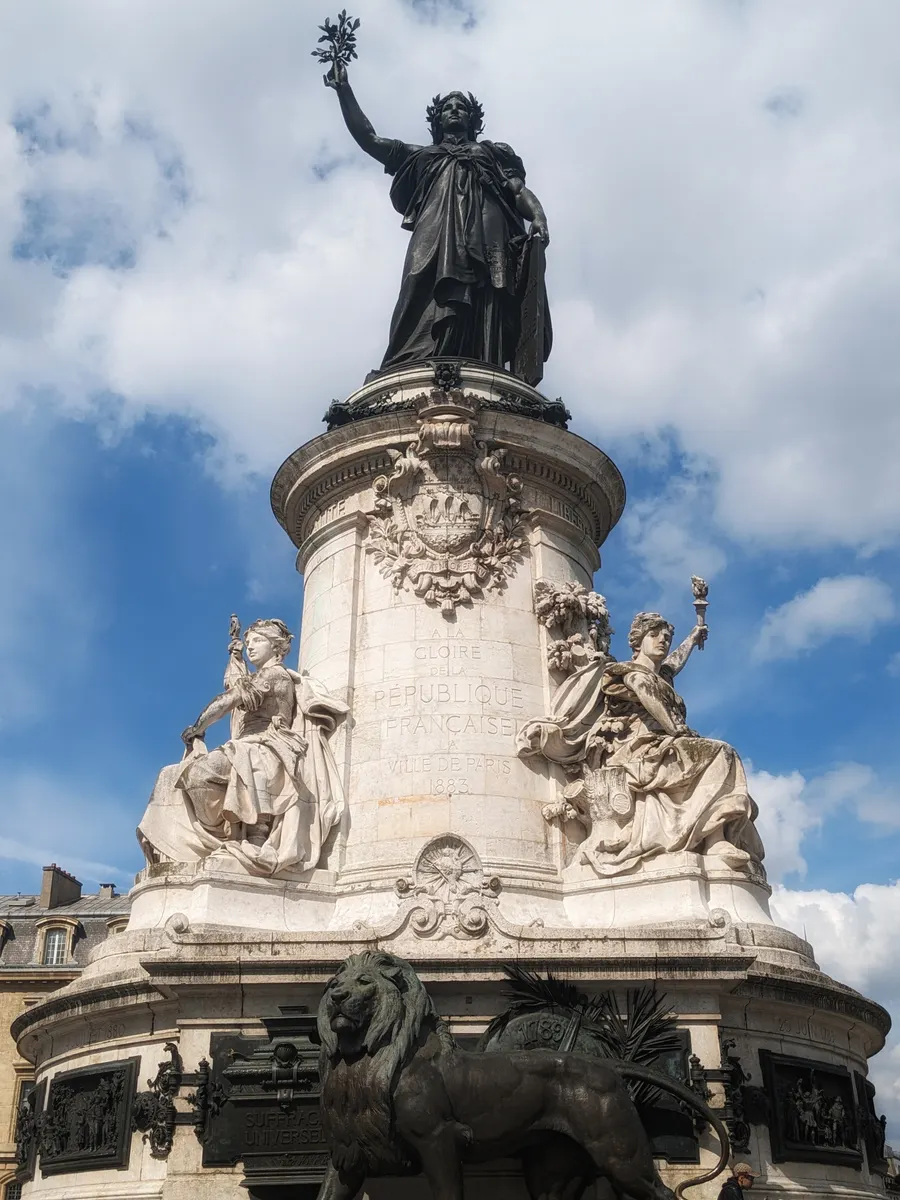
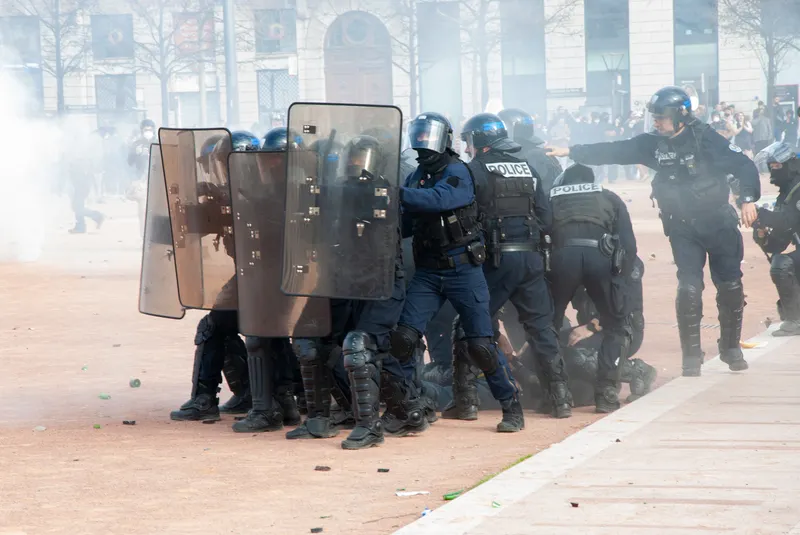
By Sunday morning, the roof of Limoges' 19th-century city hall had collapsed. A tourist office in Lyon had burned. Police in Marseille were repairing a station that masked groups had damaged, and in Paris, broken glass and dislodged cobblestones covered the streets around Place de la République. France had just lived through its worst day of rioting in years, and the political fight over who was to blame had already started.
A protest that outran its organizers
The October 17 demonstrations drew about 550,000 people, according to authorities, and about 800,000, according to organizers, The Associated Press reported. They were called by a labor union, student groups and activists hoping to revive the yellow vest movement that began in 2018. The Reuters account of the day described students, farmers, trade unionists, climate activists and people angry about fuel prices and living costs marching together.
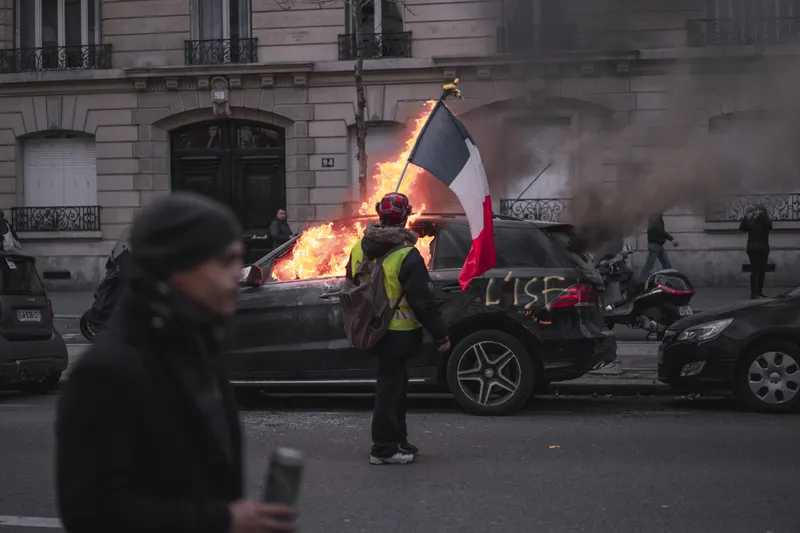
Then the marches fragmented. Police said groups of hundreds formed unauthorized marches across central Paris. Hundreds of businesses were looted in cities including Paris, Marseille, Lyon and Bordeaux, according to the AP. Prime Minister Sébastien Lecornu said more than 150 police officers were injured on Saturday, Reuters reported.
Arrest figures climbed through the weekend: about 1,200 on Saturday evening, at least 1,800 by Sunday morning and more than 2,300 by the end of Sunday, per Lecornu, AP and France 24. The Sunday tally approached the nearly 2,000 arrests recorded across the country in a single day of yellow vest protests in December 2018, the AP noted.
What the protesters actually wanted
The grievances were not about looting. The marches were called over rising living costs, higher fuel prices and poor conditions in schools, according to the AP and Reuters, and an earlier day of protests over school funding had drawn more than 250,000 people, according to PBS. Reuters described the violence as some of the worst the country had seen in decades.
That is the risk for anyone trying to turn a social movement into a political demand. A march that begins with teachers and students asking for better classrooms can end with burned town halls and a government talking only about order. In Mulhouse, prosecutors opened an investigation after a 17-year-old girl was injured in the protests and lost an eye, per the AP. Cases like that could feed the argument that police tactics are part of the story, not just the violence of the crowd.
Macron's answer
In a televised address on Sunday, President Emmanuel Macron said the country felt "anger" and "shame," according to Reuters. He pledged that people who looted would have to pay for the damage and that those who "sought to bring down the Republic" would be held accountable. He drew a line between protesters with legitimate demands and those who destroyed property, France 24 reported, and said local authorities would be able to ban certain rallies in coming days if necessary.
That last point deserves attention. A rally ban is a blunt tool, and in a country where street protest is part of political life, it risks turning peaceful marchers into a second grievance. Interior Minister Laurent Nuñez argued that the right to protest is fundamental but that deliberately sowing disorder through violence is not.
Everyone is already campaigning
Within hours, the riots became material for the presidential election due next spring. Lecornu blamed the "ultra-left" and criminals and warned anyone treating the violence as a "warm-up" before the presidential election that the government would not be intimidated, Reuters reported. Far-right leader Marine Le Pen wrote that rioters had spoiled the demonstrations and lashed out at Mélenchon for joining the Paris march, the AP reported. Her lieutenant Jordan Bardella said that "working France" was not in the streets, and that the real mobilisation would be a vote for Le Pen, according to the Irish Times.
On the left, Jean-Luc Mélenchon, who joined the Paris march, said the violence was no part of his movement's fight, the AP reported. He also blamed authorities for what happened, accusing police of tear-gassing the gathering point at Place de la République relentlessly, per the Irish Times, and accused Lecornu of "playing with fire."
Notice what each camp is selling. The government offers order. The far right offers order with a promise on purchasing power. The left offers grievance plus a critique of the police. Macron cannot run again, so none of them is defending his record. Each of them is addressing the voters who will decide his successor.
A European pattern
France is not alone in this pattern. In Spain, where Prime Minister Pedro Sánchez called a November 29 election after his housing package died in parliament, housing costs are at the center of a campaign in which Vox is rising. In Germany, where the AfD won the Saxony-Anhalt parliament's top post with BSW support, insurgent parties are also gaining ground. The details differ. The incentive does not: whoever looks credible on prices and on order is likely to benefit.
What to watch
Three things will tell whether Saturday was a spike or a turning point. The first is whether the unions and student groups call new days of action, and whether they separate themselves from the violence. The second is how rally bans are used, and whether they are applied narrowly or broadly. The third is whether anything is done about school funding and fuel costs, the demands that started the day.
The longer the debate stays on looting and arrests, the easier it is for every camp to claim vindication and for the original grievances to go unanswered. That is the outcome that tends to bring people back to the streets.
---
Written by
Dr. Anand Sharma
Deep Understanding of domestic and international policy.