Blogerroom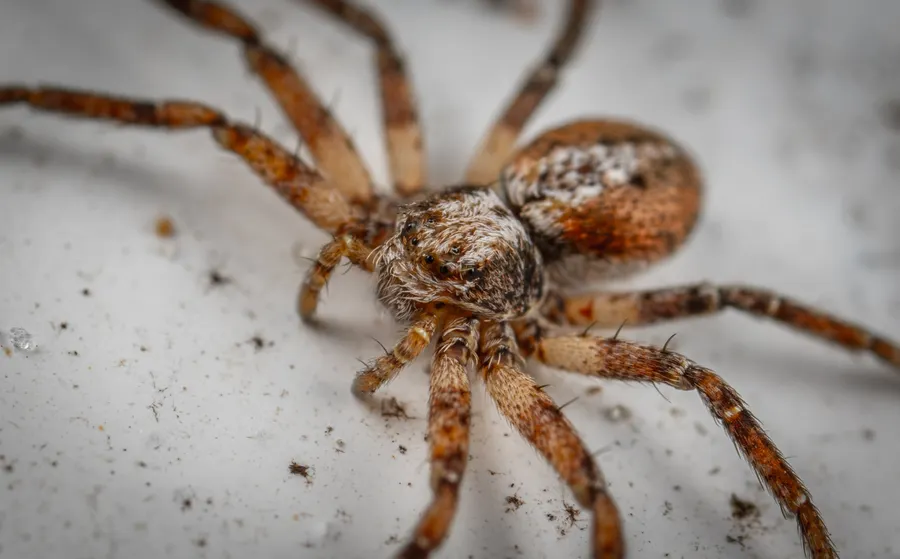
Two New 'Nightmare Fuel' Sea Spiders Found Near Vancouver
UBC researchers found two sea spider species new to science in the Salish Sea, the first such discovery there in almost 100 years.
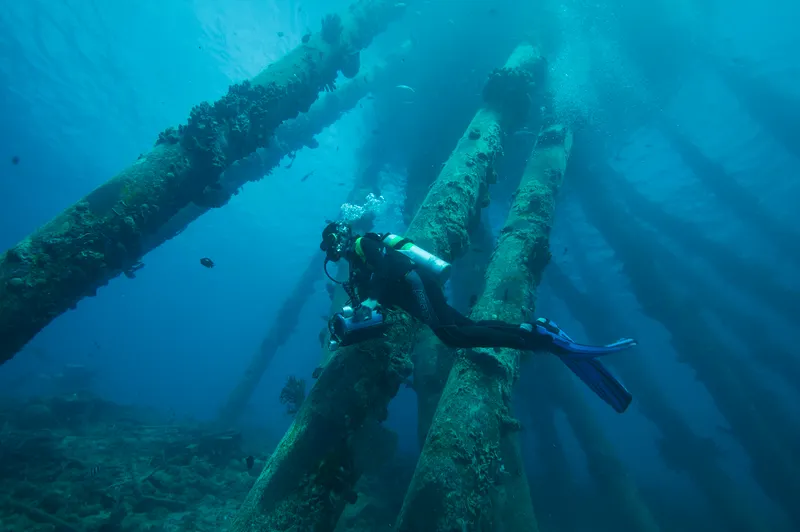
Scuba diving 18 meters down in the Salish Sea, Cormac Toler-Scott wasn't hunting for anything dramatic. He was collecting sea spiders, small, spindly marine arthropods most people have never heard of, for what started as a fairly modest master's research project. What he came back with were two species nobody had ever formally described before, the first new sea spiders found in these waters in nearly a century.
The discovery, published this week in the journal Organisms Diversity & Evolution, gives names to two creatures that manage to be simultaneously unsettling and genuinely useful additions to marine science: Callipallene pilosuspedes, a red-eyed, hairy-legged species named for the Latin phrase for "hairy feet," and Tanystylum kiixin, a smaller relative frequently found coated in tiny parasites.
A century-long gap in a busy urban waterway
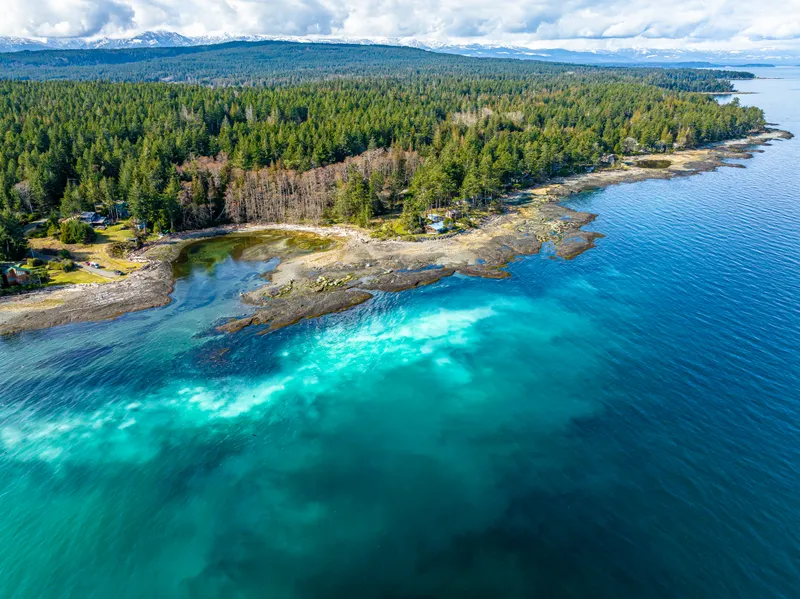
The Salish Sea sits between British Columbia and Washington State, threading past one of North America's larger metropolitan areas, Vancouver, and its surrounding coastline. That proximity to a major population center makes the century-long gap in new sea spider discoveries genuinely surprising; this isn't some remote, rarely visited stretch of ocean, it's water millions of people live beside every day.
Toler-Scott, who conducted the work as part of his master's degree in zoology at the University of British Columbia, collected specimens of both new species during scuba dives conducted between September 2023 and August 2024, according to CNN's reporting on the study. That fieldwork, combined with detailed morphological analysis and molecular phylogenetic testing, ultimately confirmed both animals as genuinely new to science rather than simply overlooked variants of already-documented species.
What actually makes these two species new
Callipallene pilosuspedes stands out for its long, curved spines covering the lower legs, a hairy-looking feature that inspired both its Latin species name and its "nightmare fuel" nickname in press coverage. Alongside its red eyes, the species has claws adapted for grabbing food and, notably, comb-like appendages it uses for grooming itself, according to ScienceDaily's coverage of the UBC announcement.
Tanystylum kiixin cuts a different profile. Smaller and less visually striking than its hairy-legged counterpart, it's distinguished instead by how frequently researchers found it covered in tiny parasites, according to ScienceDaily. Both species measure roughly a centimeter in legspan, tiny enough that identifying them as genuinely distinct from known species required the kind of careful morphological and genetic comparison work that Toler-Scott's team carried out.
Why sea spiders specifically, and why now
Sea spiders, formally known as pycnogonids, aren't true spiders despite the resemblance and the name; they're a distinct group of marine arthropods, related to but separate from arachnids, that use a proboscis to suck fluids from prey and host organisms including jellyfish and hydroids. What drew Toler-Scott to studying them wasn't the creepy-factor headlines that followed the discovery, it was a much more practical research gap.
"I was interested in how sea spiders are impacted by climate change and human disturbance, because marine invertebrates in the Salish Sea are particularly at-risk, and I couldn't find anything," Toler-Scott said, according to UBC's own press release announcing the findings. "That's largely because people don't know much about what species exist here and what their lifestyle is." In other words, before researchers can meaningfully track how a group of animals is responding to environmental change, they first need a reliable inventory of which species actually exist in a given ecosystem. For Salish Sea sea spiders, that basic inventory hadn't been meaningfully updated in generations.
A small discovery with an outsized research implication
That gap matters more than it might initially seem. Marine invertebrates like sea spiders often serve as sensitive indicators of ecosystem health, responding to water temperature shifts, pollution, and habitat disturbance in ways that are measurable well before larger, more visible species show obvious signs of stress. Without a clear picture of which species are present in a region and how many there are, tracking those changes accurately becomes far harder.
Axios framed the stakes in similarly practical terms, noting that scientists trying to understand how climate change and other disturbances are affecting marine life first need a clearer picture of what species actually exist in a given ecosystem before they can meaningfully measure how that ecosystem is changing. A newly documented species isn't just a naming exercise; it's a data point that future researchers can track over time to measure exactly the kind of environmental shifts Toler-Scott set out to study in the first place.
More discoveries likely waiting in the same water
Perhaps the most telling detail in the research isn't what Toler-Scott found, but what he expects still remains undiscovered. "I only had one field season but there's definitely more diversity out there that we haven't documented," he told Vancouver Is Awesome. The research team's own press materials echoed that expectation directly, closing with a line that's since been repeated across nearly every outlet covering the story: "So, never fear, more nightmare fuel awaits."
That's not just a marketing flourish for a press release; it's a genuine scientific expectation grounded in how little sustained sampling effort has gone into cataloguing this specific group of animals in these particular waters. A single field season turning up two entirely new species, in water this close to a major city, strongly suggests the Salish Sea's inventory of undocumented marine invertebrates remains far from complete.
What this adds to the broader picture of ocean biodiversity gaps
Findings like this one are a useful counterweight to the assumption that well-studied, accessible coastal waters near major cities have already given up their biological secrets. It's a pattern that echoes what researchers keep encountering across marine ecosystems more broadly: even in heavily populated, frequently visited coastal regions, entire categories of small, easily overlooked organisms can go undocumented for a century simply because nobody with the right expertise and funding happened to go looking.
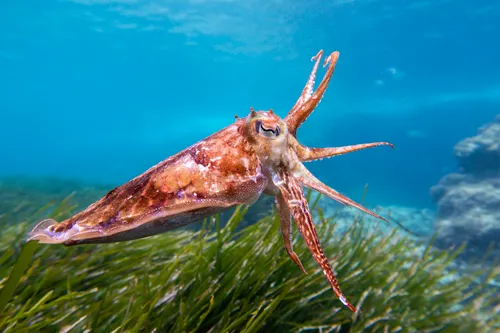
That undocumented diversity carries real stakes when marine ecosystems come under pressure. The 97% collapse of South Australia's giant cuttlefish aggregation earlier this year showed how quickly and dramatically a marine population can crash once a severe environmental event strikes, and cases like that one underscore exactly why baseline biodiversity documentation, however unglamorous it might seem next to a dramatic population crash, matters as much as it does: researchers can't measure a decline in a species they never knew existed in the first place. Toler-Scott's two newly named sea spiders are a small, distinctly less dramatic entry in that same broader effort, quietly filling in gaps in an ecosystem's species inventory before those gaps become impossible to close.
Written by
Mr. Jitendra Bhatt
Msc in Chemistry and field researcher.