Blogerroom
Meta's $1,299 VR Glasses Put AI on Your Face and Keychain
Meta Connect brought $1,299 VR Glasses shipping in spring 2027 and Muse Charm, a keychain AI device with no price yet and unfinished components.
Mark Zuckerberg walked onto the Meta Connect stage in Menlo Park on September 23, 2026, said the word "breakthrough," and spent two hours explaining why the company that built the metaverse is now building something it's calling personal superintelligence instead. The hardware to back up that pivot arrived in three pieces: a $1,299 pair of VR glasses, a keychain device nobody has a price for yet, and a new lineup of camera-free Ray-Bans.
The glasses are the headline. At 100 grams, the Meta VR Glasses are roughly five times lighter than the Quest 3, the headset they're effectively meant to replace at the high end. The reason they're that light is the same reason they're awkward to use: the processor and battery live in an external puck that clips to a bag or pocket, connected to the frames by a cable. The glasses themselves show video. Everything that makes them work stays on your hip.
A Headset That Splits Itself in Two
The trade-off Zuckerberg is making here is explicit and deliberate. Traditional VR headsets pack compute, battery, displays, and optics into one unit, which is why they weigh what they weigh. Meta's engineering bet is that most people would rather carry a separate puck than wear an extra 400 grams on their face. Whether that bet is right will depend on who actually buys these when they go on sale in spring 2027, a full six months from now.
Zuckerberg positioned the glasses as a private cinema, a multi-monitor workstation, and a game console, each framed around the idea that a 100-gram device on your face is a meaningfully different experience than holding a phone or sitting in front of a monitor. The display inside is generated by SeeYA, a Chinese OLEDoS manufacturer that reportedly reached one million shipments of its microdisplay components for Meta earlier this year. Users control the glasses with voice, eye tracking, and hand gestures rather than physical controllers, and the device runs on a Qualcomm processor inside that external puck.
The honest limitation is battery life: roughly three hours of media playback. That's enough for a movie, not enough for a workday, and it's the clearest sign that the form factor compromise Meta made to hit 100 grams came with real costs.
The Keychain Nobody Has Priced Yet
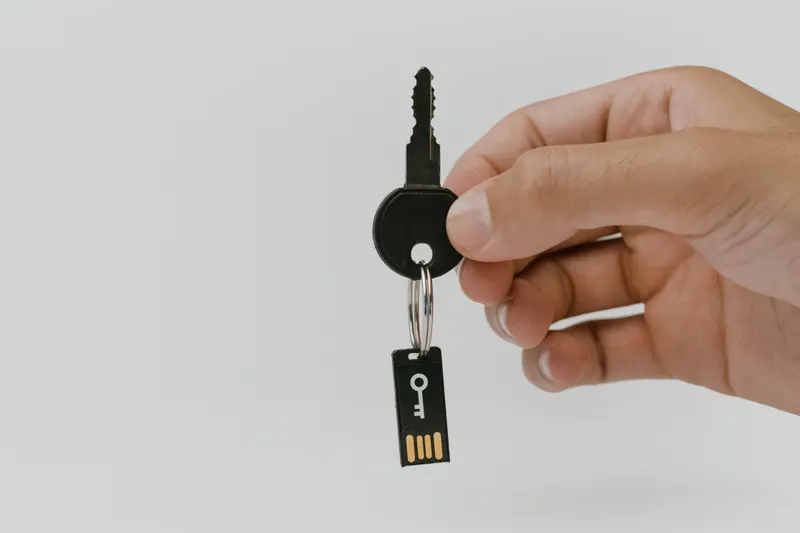
Muse Charm was the surprise save for last. It's a pocket-sized device with a roughly two-inch display, an embedded 5G modem, and a customizable animated character at the center, designed as a physical shortcut to Meta's Muse personal AI agent for anyone not wearing glasses. Zuckerberg described it simply: if you're not wearing glasses, this is going to be by far the fastest way to talk to your Muse and show it what's going on around you.
Meta has not set a price and has not finalized its component layout, according to Engadget. The company has built only a handful of prototypes. It plans to ship Charm in December, which means it's promising a holiday release for hardware that, as of the announcement, wasn't fully designed. That's an unusual thing to announce in public. It's the kind of signal that suggests Zuckerberg wanted Charm in the Connect narrative before the hardware team was ready, rather than after.
Muse itself, the AI agent Charm is built around, launched on September 8 and has added roughly $300 billion in Meta's market capitalization since then, according to the Financial Times. The agent can book appointments, send emails, fill out forms, and continue working after a user closes its app. Meta named Stripe, Shopify's Shop Pay, PayPal, Best Buy, Gap, Sephora, Walmart, Wayfair, and Expedia as commerce partners, with Instacart joining soon, and said it received more than 1,500 developer connector applications within a week of the agent's launch.
Three Products for Three Different Pockets
The full Connect lineup gives Meta three distinct price points for accessing Muse through physical hardware. Ray-Ban Meta Audio, the new camera-free frame, starts at $349 and ships October 13, targeting the audio-and-voice use case without any recording capability. Ray-Ban Meta Gen 3, starting at $449, keeps the camera and adds Muse integration into the existing smart glasses form factor that's already sold millions of units. And the VR Glasses, at $1,299, represent the high end: a fully immersive display experience that puts the agent into a private, head-worn screen rather than a voice-in-your-ear one.
That's a clear ladder, even if the rungs are unevenly spaced. Samsung entered the same smart glasses category earlier this summer with its Android XR device built with Google, competing primarily in the camera-equipped, consumer navigation category Meta's Gen 3 also targets. Snap's Specs AR glasses pivoted to enterprise just two weeks before Connect, staking out a different lane entirely. What Meta announced Wednesday covers more price points and use cases than either rival, but also means the company is competing in every tier of the AI wearable market simultaneously, which is a logistically ambitious position for a product family where none of the flagship hardware is even shipping yet.
What Zuckerberg Left Unsaid About the Business Model
The only financial detail Zuckerberg offered about Muse's long-term economics was brief but structurally telling: Meta plans to make the agent free for a large number of tokens, then eventually take a small fee from transactions that flow through it. No subscription was announced. The commerce partner list suggests Muse is being positioned as an intermediary layer that earns from the transactions it facilitates rather than from the users it serves directly, a model closer to Stripe or PayPal than to ChatGPT or Claude.
That positioning matters for understanding what Meta is actually building here, and how it fits the company's broader shift toward AI-native products like Muse Code. The VR Glasses and Muse Charm aren't standalone products meant to generate hardware margin. They're physical endpoints for an AI agent Meta intends to monetize at the transaction layer, not the device layer. Whether that model works depends on whether enough people use Muse for enough transactions to generate meaningful revenue, a question the hardware announcements can't answer by themselves. JPMorgan raised its Meta price target from $820 to $920 the day after Connect, which says investors find the direction credible, even before any of the new hardware has actually shipped.
Written by
Mr. Aayush Bhatt
Software Engineer with in depth understanding of buliding softwares and Tech.