Blogerroom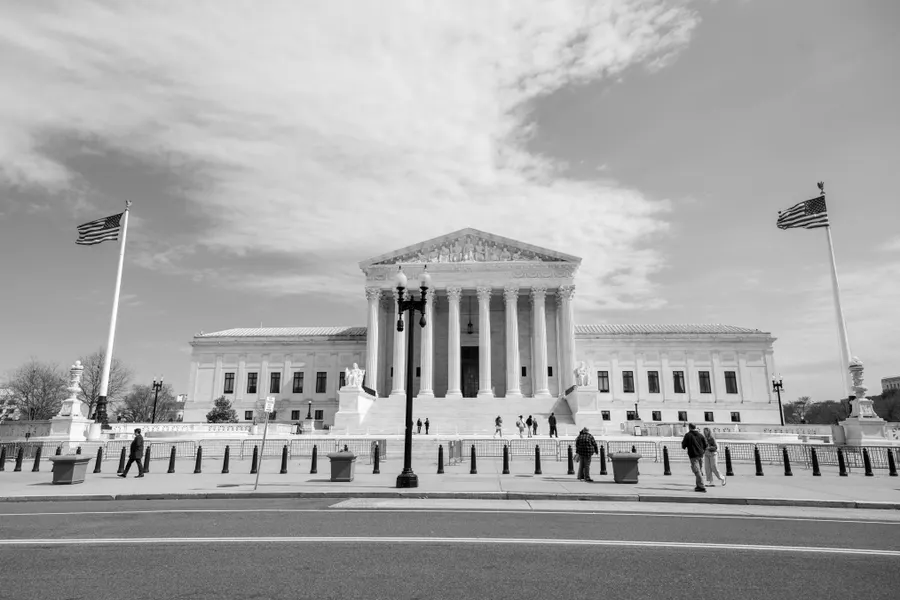
Justices Split on Whether Boulder Can Sue Big Oil
In the new term's first case, the Supreme Court sounded divided on Boulder's climate lawsuit, and with Alito sitting out, a 4-4 tie is possible.
The first question the US Supreme Court took up this term was not about guns, immigration or voting. It was about whether a Colorado city and county can ask a state jury to make two oil companies pay for wildfire damage. On Monday, October 5, justices spent about two hours on Suncor Energy v. Boulder County, and the people watching came away with very different readings of how it will end.
A lawsuit eight years in the making
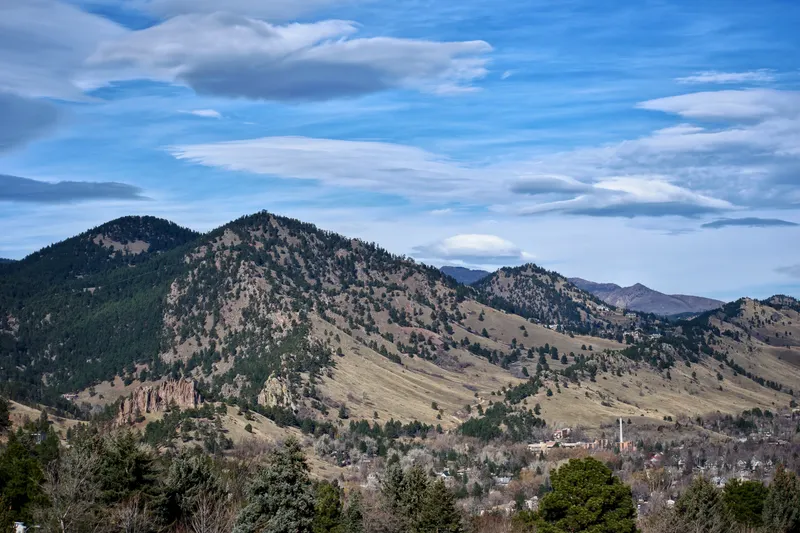
Boulder's city and county governments sued Exxon Mobil and Suncor Energy in Colorado state court in 2018, seeking damages under state tort law, Colorado Newsline reported. Their claim is that the companies knew their products would heat the planet and misled the public about it, which raised local risks from wildfire, flood and extreme heat. The Colorado Supreme Court ruled 5-2 in May 2025 that the case could proceed, according to Common Dreams. The oil companies then asked the US Supreme Court to step in before any trial, and the Trump administration backed them.
Boulder is one of roughly three dozen state and local governments that have filed similar suits, according to UCLA law professor Alejandro Camacho. None has reached trial. Suncor's lawyer, Kannon Shanmugam, warned the justices that letting Boulder proceed would let some 90,000 municipalities set national and international energy policy through juries, the Daily Signal reported. That figure is advocacy, not arithmetic, but it explains why the industry wanted the Supreme Court involved this early.
Where the justices landed
Reading oral arguments is an inexact science, and the coverage shows it. The New Republic described a court that splintered, with most justices more skeptical of the companies than of Boulder. The Spokesman-Review's account described a majority wary of Boulder's effort. Both readings can be true at once, because the justices were not asking the same question.
The oil companies' broadest theory, that the structure of the Constitution alone bars state suits over global emissions, drew heavy fire. Justice Elena Kagan asked where the text, precedent or anything else supported it, Camacho wrote. The narrower routes fared better. Justice Brett Kavanaugh argued that earlier rulings on interstate pollution make it a federal matter unless Congress preserved state law, and when the companies noted that Boulder relied on Colorado law, he said that resolved the case. Justice Amy Coney Barrett asked Boulder's lawyer whether a Colorado statute capping emissions in the other 49 states would be valid, and, hearing that it would not, asked why a tort suit should be different.
Others went the other way. Justices Sonia Sotomayor and Ketanji Brown Jackson questioned whether the court should be deciding this before a factual record exists, and Jackson asked whether Colorado, home to Suncor's refineries, is itself a source state whose law could apply. Justice Neil Gorsuch pushed the federal government's lawyer: if neither federal nor state law covers greenhouse gases, can nobody sue? The government's answer, per Camacho, was that this was correct.
The Alito problem
One justice was missing. Samuel Alito sat out the case, Colorado Newsline noted, which leaves eight. Camacho's post-argument analysis counts four justices who seemed inclined toward the companies (Kavanaugh, Barrett, Chief Justice John Roberts and Clarence Thomas), and says they would need a fifth vote from Gorsuch or Kagan to win outright.
If they do not get it, the court ties 4-4. A tie leaves the Colorado Supreme Court's ruling in place and settles nothing nationally. In practice, that is the quiet scenario nobody was talking about on the courthouse steps: Boulder keeps its case, the other three dozen suits stay in limbo, and the question returns in a later case with nine justices.
Camacho rated the most likely outcome as a win for the companies on a narrower ground than the one they argued. A split decision, in which claims about deception survive and claims based on emissions do not, also seems plausible to him, partly because Kagan likened Boulder's suit to the 1990s tobacco litigation and the more recent opioid cases. He has a stake in this fight, serving on the board of an environmental policy group, so treat the forecast as informed opinion rather than a count of votes. A decision is expected by the end of the term next June.
What rides on a narrow ruling
The deception theory is where the real exposure lies. Suits that argue companies lied about risk are not obviously regulation of emissions, which is why Kagan's tobacco question stung. Suits built on the damage caused by production are far easier for the court to call a federal matter. A ruling that sorts the two would leave plaintiffs with a smaller, harder case, but not no case.
Timing adds weight. The justices are deciding how far courts can go in assigning the costs of fossil fuels while energy markets remain strained, with OPEC+ freezing its November output targets this week. A Boulder win would not mean damages, only that a jury gets to hear the evidence. A companies' win would close that door at the earliest stage, before anyone tests the claims.
That is the point most commentary skips. The court was not asked on Monday whether the companies lied. It was asked who gets to decide.
---
Written by
Dr. Anand Sharma
Deep Understanding of domestic and international policy.