Blogerroom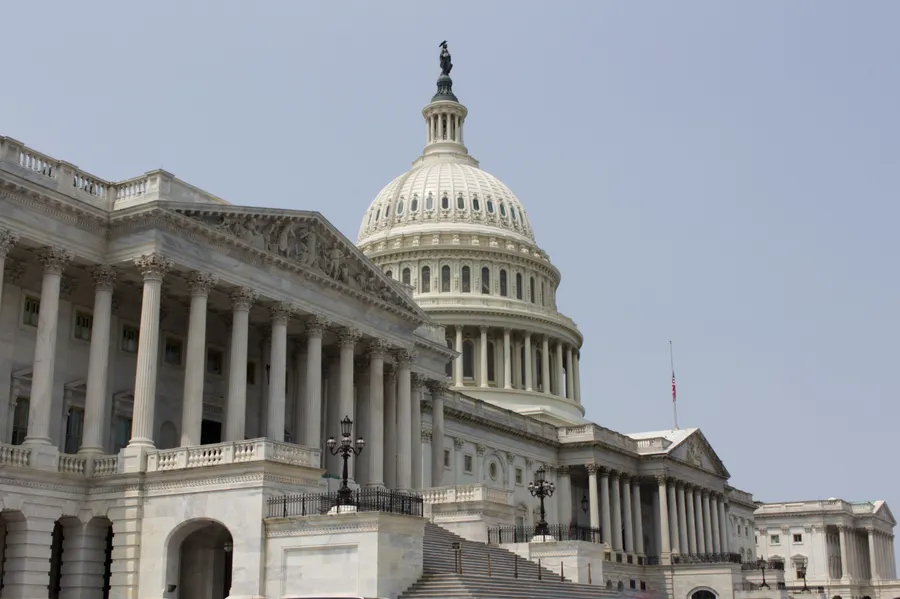
House Passes Graham's Russia Bill, Threatens China 100% Tariffs
Congress sent Trump a bill letting him slap 100% tariffs on China and India over Russian oil purchases, named for Lindsey Graham.
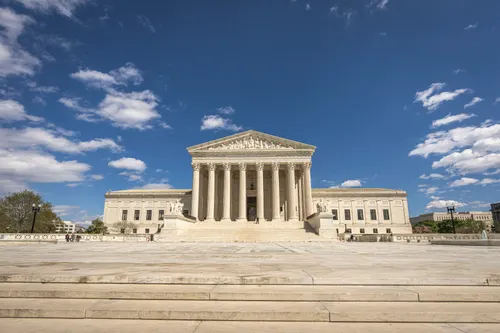
The House voted 262 to 159 on Wednesday to send President Trump a bill that could impose tariffs of up to 100% on any country buying Russian oil and gas, a list currently topped by China and India. The measure carries the name of a senator who didn't live to see it pass.
The Lindsey O. Graham Sanctioning Russia and Iran Act of 2026 honors the late South Carolina Republican, who spent more than a year building bipartisan support for the package before his death, according to NPR's reporting on the vote. Trump is expected to sign it, a White House official confirmed to CNBC, capping the most significant congressional pressure campaign on Moscow since he returned to office.
What the bill actually does
At its core, the legislation gives Trump discretionary authority to impose steep tariffs on any nation ranking among the top purchasers of Russian crude oil or natural gas, a group that currently includes China, India, and several smaller buyers like Slovakia, Hungary, and Azerbaijan, according to BusinessToday's reporting on the bill's scope. China and India together account for roughly 70% of Russia's energy exports, per Yahoo News, making them the law's clearest intended targets.
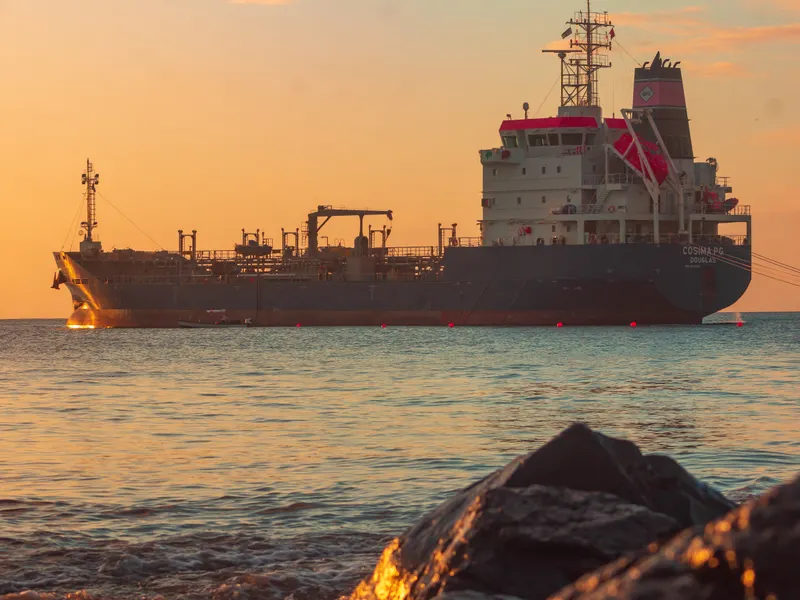
Beyond the tariff authority, the bill imposes sanctions on Russian officials, companies, and financial institutions tied to the war effort, and specifically targets what's become known as the "shadow fleet," the network of oil tankers Russia has used to evade existing Western price caps on its crude exports, according to BusinessToday. The package also tacks on a five-year extension of existing Iran sanctions, a provision the White House had specifically requested during negotiations.
A carve-out built for European allies
The bill isn't a blanket trade weapon. Its authors built in specific exemptions for European countries actively working to reduce their own reliance on Russian energy, according to Al Jazeera's earlier coverage of the bill's development. That carve-out was a deliberate design choice: without it, European Union members that still import close to 20% of their gas from Russia, according to Yahoo News reporting on the bill, would themselves have been exposed to the same punitive tariffs aimed at Moscow's other customers.
Kevin Book, managing director of the energy research firm Clear View Energy Partners, described the underlying tariff rate contemplated in earlier drafts of the bill as functionally "a hard decoupling" from targeted economies, a characterization that captures just how aggressive the legislation's core mechanism actually is, even with the European exemption built in.
The floor fight over how much power to hand the president
Passage wasn't smooth. Fifty-eight House Democrats crossed over to join most Republicans in support, while seven Republicans broke ranks to vote against the measure alongside most Democrats, reflecting how U.S. support for Ukraine has increasingly split the GOP caucus, according to NPR. The bill had already cleared the Senate by a lopsided 86-11 margin in August, a gap between chamber votes that reflects how much more contentious the House floor debate turned out to be.
Rep. Don Beyer, a Virginia Democrat, focused his opposition on the breadth of authority the bill hands the executive branch rather than its underlying goal. "This bill has a loophole that would allow him to define basically any country as a facilitator of evading Russian sanctions," Beyer said, according to NPR's coverage of the floor debate. "He could then hit them with tariffs of up to 100%, with no guardrails or oversight, and no expiration."
The case for urgency
Supporters framed the stakes in far starker terms. Rep. Michael McCaul, a Texas Republican who worked directly with Graham on drafting the legislation, cast the vote as a test of resolve rather than a routine sanctions package. "When we look back at this moment in time, I want to be able to say that we used all the tools available to end this war, that we understood the threat, that we had the courage to do what was right, to stand up, to cripple the Russian war machine and turn the tide toward peace," McCaul said on the House floor, according to CNBC's reporting.
That framing reflects the bill's underlying theory of leverage: Russia's war effort depends heavily on oil revenue, and squeezing its two largest remaining energy customers, whatever the diplomatic and economic cost, is the most direct lever Congress can pull short of direct military involvement. Rep. Gregory Meeks, a New York Democrat, rejected that trade-off on the floor, arguing "we cannot grant the president more tariff power that we know he will abuse," according to Fox News's coverage of the debate.
Why economists are skeptical it survives contact with reality
Even some analysts sympathetic to the bill's goals have raised doubts about whether its full tariff authority could actually be exercised without severe blowback. Edward Fishman, a senior researcher at Columbia University's Center on Global Energy Policy, warned that countries targeted by the legislation would struggle to halt their Russian energy imports overnight, meaning the tariffs could take effect well before alternative supply arrangements exist. Tariffs at the higher end of what earlier drafts proposed, applied to goods made in China specifically, risked sending consumer prices soaring and disrupting supply chains badly enough to push U.S. unemployment toward recessionary territory, Fishman told Yahoo News.
That tension, between the bill's intended use as leverage against Moscow and its potential to inflict serious collateral damage on the U.S. economy if actually triggered against China, is likely to shape how selectively Trump chooses to wield the authority Congress just handed him.
What happens once Trump signs it
Trump's signature will make this the most direct legislative escalation against Russia's war financing since the invasion began in 2022, but the practical effect depends entirely on how aggressively the administration chooses to use its new tariff authority. Sanctions supporters are betting that even the threat of 100% tariffs will pressure China and India to quietly wind down their discounted Russian oil purchases rather than risk the kind of trade disruption Fishman describes.
Whether that bet pays off will likely become clear within weeks, as Beijing and New Delhi weigh their own economic exposure against the diplomatic and financial benefits they've been getting from cheap Russian crude. For a war that has ground on for more than three years, this bill represents Congress betting that a bigger stick, wielded carefully, might finally move a needle that years of narrower sanctions haven't.
Written by
Dr. Anand Sharma
Deep Understanding of domestic and international policy.