Blogerroom
CNN, MS NOW, Politico Sue Trump Over White House Ban
Three outlets sued after Trump banned them from the White House, and rival networks halted video coverage of him in protest.
Three reporters walked up to the same White House security booth on a Saturday morning in September and none of them got through. Their press badges beeped, Secret Service agents asked for them back, and by the time the day was over, CNN, MS NOW, and Politico had all lost the workspace access they'd relied on for years.
President Trump had announced the ban a day earlier, on Friday, September 18, 2026, in a Truth Social post accusing the three outlets of reporting "FICTION and LIES" about his administration. By Monday, September 21, all three had sued, and a cluster of rival television networks had taken the unusual step of halting their own video coverage of the president in solidarity.
How the ban actually played out on the ground
Trump's original post didn't specify exactly what the ban would cover, and for a few hours it wasn't clear whether it would even take effect. CNN reported that its reporters continued working from the White House Friday evening, according to Axios's coverage of the announcement. That ambiguity ended Saturday morning, when MS NOW reporter Akayla Gardner, CNN reporter Betsy Klein, and Politico reporter Cheyenne Haslett each tried to enter the grounds and were turned away.
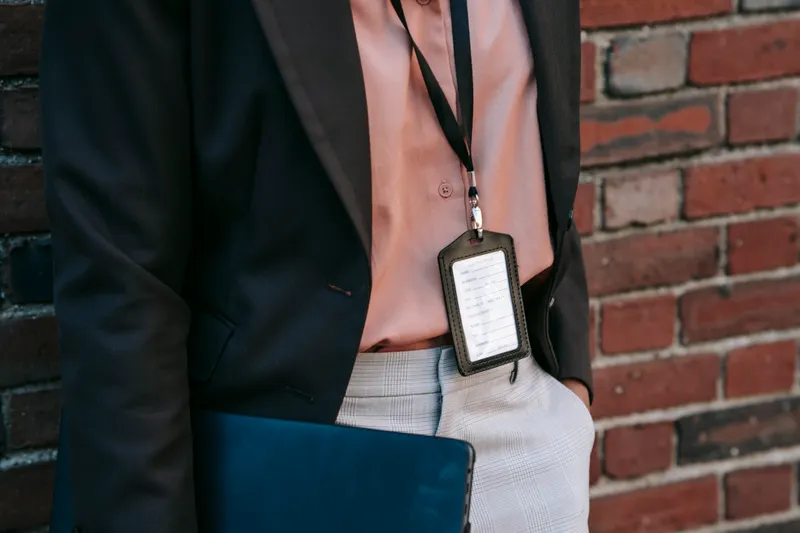
Gardner later described the moment on MS NOW's weekend broadcast: she'd cleared the first two security checkpoints without issue, but when she scanned her press badge at the final gate, it beeped and she was asked to hand it over. ABC News reported witnessing a similar scene with a CNN reporter and photographer, whose passes were confiscated as they exited the security booth, leaving the photographer holding an empty ID sleeve.
Trump's stated reasoning, in his own words
Trump didn't point to any single story that triggered the decision. Asked directly by reporters in the Oval Office on Friday, he said the move reflected what he called "cumulative stories over the last few years," accusing the outlets, without offering evidence, of deliberately publishing negative coverage of Republicans and his administration, according to reporting from MS NOW.
He escalated that framing over the following days. In a Truth Social post Monday responding to the lawsuit, Trump wrote that "The White House is not instituting an assault on the Free Press, something which I cherish. It is instituting an assault on the FAKE NEWS, something that has grown like Cancer in our beloved United States of America," according to NPR's coverage of his response. He also acknowledged from the start that he expected the ban to face legal challenges, telling reporters Friday, "Whether it survives or doesn't, I think that somebody has a right to say we're not going to have you, because you're not equal, you're not fair."
The legal theory behind the lawsuit
The three outlets filed a joint First Amendment lawsuit Sunday night, arguing the government cannot selectively exclude journalists from White House press facilities based on the content of their coverage. That argument has real precedent behind it: CNN's own reporting on the case noted that similar attempts by Trump and other administration officials to bar individual reporters or outlets have been rejected by courts before, including in recent cases.
The legal landscape isn't entirely one-sided, though. Axios noted that the D.C. Circuit Court of Appeals has previously held that once the White House opens general press facilities to journalists, access generally can't be denied arbitrarily and any press pass restrictions require due process. But a separate, divided appellate ruling last year found the White House retains broader discretion over access to more restricted spaces, like the Oval Office and Air Force One, in a case brought by the Associated Press that remains unresolved. That unresolved AP case gives both sides in this new lawsuit something to point to.
What the ban has actually cost the outlets so far
Beyond the inability to physically enter the grounds, CNN reported that all three outlets have lost access to their dedicated workspaces inside the White House, and that CNN and MS NOW specifically have been blocked from using their television equipment and assigned camera locations on the property. CNN was also removed Monday from its scheduled pooled coverage responsibilities, a shared arrangement among major outlets that rotates which network provides video feed access for events the full press corps can't physically attend, including CNN's planned pool duty covering the president's travel to New York that same day.
Losing pool duty is a bigger practical blow than it might sound. Pool coverage is how smaller outlets and the wider public get video access to events with limited physical space, and being cut out of that rotation effectively silences a network's ability to contribute to that shared record entirely, not just its own standalone reporting.
An unusual show of solidarity from competitors
The most striking development came Monday, when other major television networks halted their own video coverage of Trump in protest of the ban, according to the Washington Post's reporting on the standoff. That's a notable break from how competing news organizations typically operate; networks don't usually coordinate coverage decisions with rivals, and doing so here signals that outlets across the industry see this as a threat extending well beyond the three directly targeted.
Jacqui Heinrich, president of the White House Correspondents Association, framed that broader stake plainly in her public statement calling for the reporters' access to be restored: "The implications extend beyond these organizations: a standard used to exclude one news outlet because of its coverage could be applied to any outlet in the future," she said, according to ABC News.
Why Trump's threat to expand the list matters
Trump has repeatedly said other outlets could face the same treatment, a threat that changes the calculation for every news organization currently covering the White House. If the ban against CNN, MS NOW, and Politico survives legal challenge, or simply persists long enough without a court intervening, it establishes a working precedent that coverage deemed unfavorable by the administration can be met with physical exclusion from the building where that coverage originates.
That's the core of what CNN's lawsuit filing described as the stakes: "Left unchallenged, this threatens press freedom and the public's right to independent journalism free from government interference." Whatever a court ultimately decides about these three specific outlets, the case is likely to become a reference point for how much discretion any future White House, regardless of party, has to pick and choose which journalists get to walk through its gates.
What happens next
The lawsuit is now in federal court, where the same legal questions that shaped the unresolved AP case, over how much control the executive branch can exercise over general press access versus more restricted spaces, will likely resurface. Given how quickly this story has moved, from a Friday night social media post to a formal First Amendment lawsuit within 72 hours, a court ruling on at least a temporary restraining order could come within days rather than weeks.
For now, three of Washington's most prominent political reporters remain locked out of the building they've covered for years, filing dispatches from the sidewalk outside the gates instead, while the rest of the White House press corps watches to see whether they're next.
Written by
Dr. Anand Sharma
Deep Understanding of domestic and international policy.