Blogerroom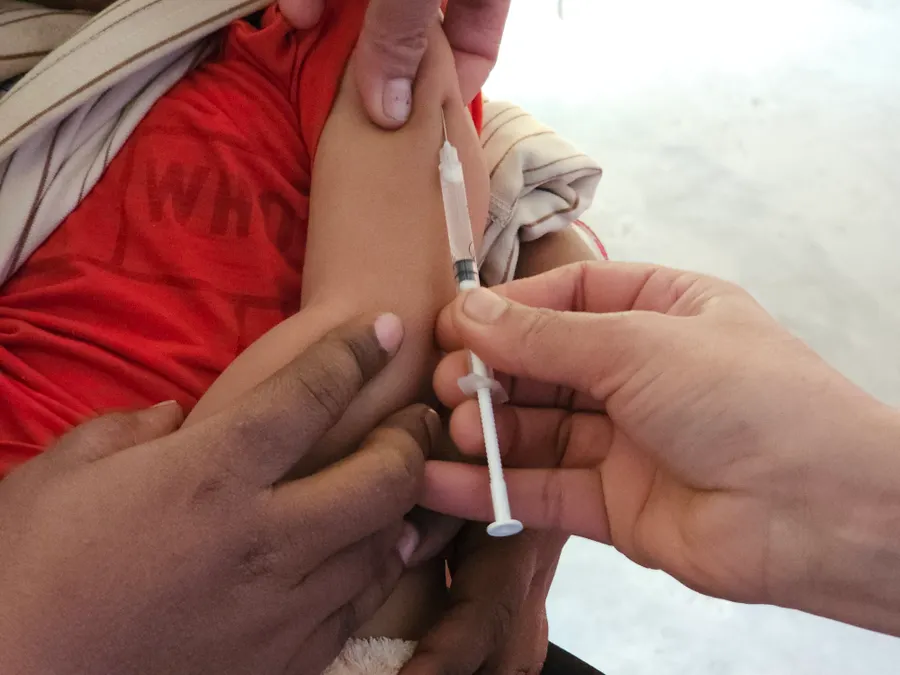
Nutrition Sachets Doubled Measles Shot Odds in Nigeria
A Nigerian trial found nutrient sachets at clinics lifted card-verified measles vaccination 20 points over control, to 55%, still short of herd immunity.
In Yobe State, northern Nigeria, a health clinic offered mothers a monthly supply of a nutrient-packed food paste for their toddlers. Nothing in the offer required a vaccination. Yet a year later, children in the clinics that gave out the paste were far more likely to have a measles shot recorded on their vaccination card.
The results, published in Nature Medicine on Oct. 2, come from the NutriVax-Measles trial, run by the humanitarian organization ALIMA with French researchers in Bordeaux (INSERM and IRD) and Nigerian partners. The paper is open access.
What the Trial Did
Twenty health areas, called wards, across Nguru and Karasuwa in Yobe State were assigned by public lottery to one of two groups. Ten kept the national immunization program as usual. In the other ten, caregivers of children aged 6 to 22 months also received a monthly ration of small-quantity lipid-based nutrient supplements, a fortified paste in 20-gram sachets, one a day.
The supplement was not conditional on vaccination. A caregiver who declined a shot could still take the sachets. Between July 2024 and July 2025, the program reached 19,739 children and handed out 3,753,009 sachets, the authors report. Researchers then surveyed households a year after a baseline survey, covering about 1,600 children aged 12 to 23 months at each time point.
The Numbers
The main measure was whether a child's vaccination card showed a first dose of measles vaccine. In control wards, that rose from 29.9% to 41.2%, likely helped, the authors suggest, by community outreach in both groups. In the supplement wards, it went from 25.0% to 55.3%.
The trial's headline figure is an odds ratio of 2.08, meaning roughly twice the odds of card-verified vaccination, with a confidence interval of 1.30 to 3.35. Compared with the change in control wards, the supplement wards gained 20.1 percentage points.
Other results moved the same way. The odds of being a zero-dose child, one with no routine vaccine at all, were halved. The odds of a child being both zero-dose and acutely malnourished fell by 70%. Card retention, third-dose pentavalent, meningitis and yellow fever vaccination all rose, as did vitamin A uptake.
Why Food May Work
Yobe's problem is not an empty fridge of vaccines. The paper reports no vaccine stockouts during the trial. In surveys, about a quarter of caregivers who had not completed their child's vaccinations cited maternal workload, with fear of side effects, family issues and distance each cited by about 16%.
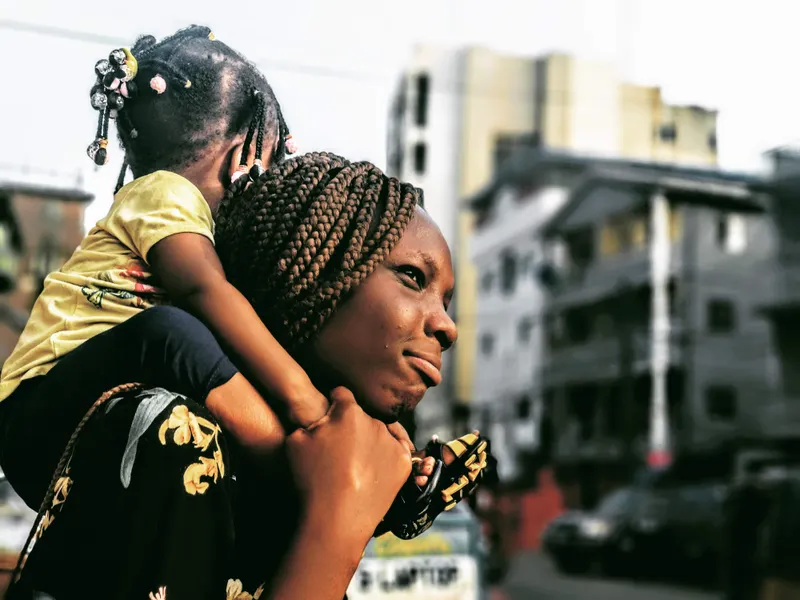
A clinic visit costs a mother time she may not have. A free supplement for a child under two changes that trade-off. The paper contrasts it with an earlier northern Nigeria trial of cash transfers that raised measles coverage by 14.1 percentage points, measured by caregiver recall alone, and with an Indian trial that gave families a kilogram of lentils per immunization.
My view: the lesson is less that sachets are magic than that people respond when a trip carries a clear benefit for the child in front of them. The paper's authors make a similar point about service delivery, noting that nutrition support at the end of the vaccination queue can overcome barriers such as distance and distrust.
What the Result Does Not Show
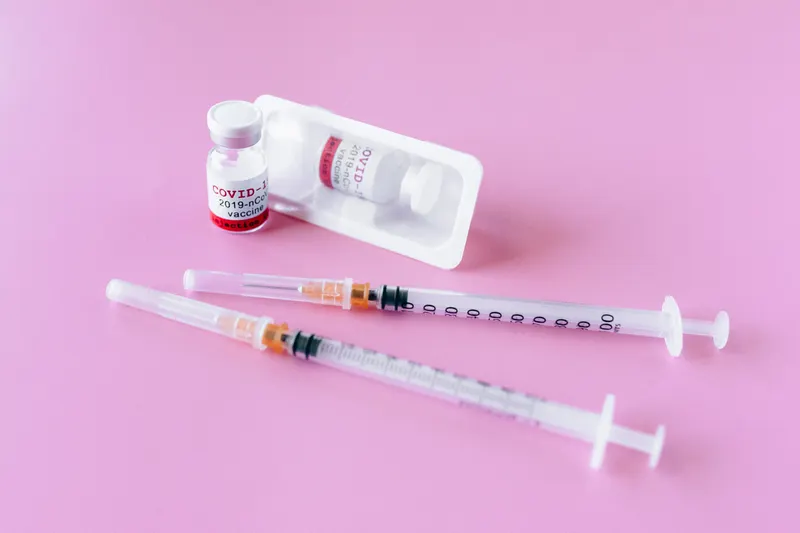
Even the best arm reached only 55.3% by card, or 68.5% counting caregiver recall. Measles needs about 95% coverage with two timely doses for herd immunity, the paper says. Card-verified second-dose coverage in supplement wards was just 27.6%.
There are other limits. Only 48% of children in supplement wards had ever received the paste, and 4% in control wards did, a small spillover. The trial was open-label, so no one was blinded. Long waiting times were more often reported in the supplement wards, a sign that busier clinics have costs. Researchers also report an exploratory comparison, 73.3% against 38.6% card-verified coverage for children who took the supplement versus those who did not. That gap is not randomized, since families who attend clinics more often differ from those who do not, and it overstates the effect.
Disease outcomes were not measured. The authors say the effect of a 20-point coverage gain on measles cases and deaths is not yet known, and cost-effectiveness results are still to come.
Why It Matters Now
Measles remains a major killer. The paper cites an estimated 10.3 million cases globally in 2023, with more than 100,000 deaths mostly among African children, and notes that Yobe accounted for 11% of Nigeria's 19,213 confirmed measles cases between January and November 2025.
The findings are already feeding policy. After the trial, Yobe State authorities set aside money for the supplement in their 2026 budget, and the World Bank-backed ANRiN 2.0 project in Nigeria includes financing for it, according to the authors. The team said it could not secure funding to continue the program once the trial ended.
Delivery is the common thread in much of Africa's health news. Blogerroom reported how injections beat daily pills for HIV in African teens, another case where the formulation mattered less than getting it into people's lives. And in DR Congo, an outbreak showing contact tracing missing most cases shows how quickly a fragile system is overwhelmed when prevention falls behind.
Parents with questions about a child's vaccination schedule should ask a local health worker. This article is general information, not medical advice.
Written by
Dr. Anand Sharma
Doctor and science communicator.