Blogerroom
Ebola Tops 8,200 Cases as Contact Tracing Misses Most
DR Congo's Bundibugyo Ebola outbreak hit 8,224 cases and 3,982 deaths, while only about 30,000 of an expected 420,000 contacts are on tracing lists.
On September 30, the Democratic Republic of Congo reported 8,224 confirmed Ebola cases and 3,982 deaths, according to the European Centre for Disease Prevention and Control's tally of national data. Fifty-three of those cases were new in a single reporting day. The headline count is grim, but the number that worries epidemiologists more is a smaller one.
The statistic that flatters the response
The World Health Organization's September 25 outbreak notice reported that 83.4 percent of identified contacts were successfully monitored in the previous 24 hours, or 26,980 of 32,342 people. Congo's Health Ministry said this week that the rate had slipped to 79.2 percent, the Pakistani outlet Express Tribune reported. Both figures sound respectable. They describe how well teams follow the people already on the list, not how many people are missing from it.
Dr. Jean Kaseya, director-general of Africa CDC, told Reuters on September 25 that with roughly 7,000 confirmed cases at the time, health workers should have around 420,000 contacts listed. They had about 30,000. More than 80 percent of new confirmed cases were turning up among people who were never on a contact list. "When the outbreak is at community level, we cannot talk about control," he said.
Read together, the numbers suggest the response is doing a decent job on a small slice of the epidemic. The virus is moving through the rest of it unseen.
No vaccine, no approved drug
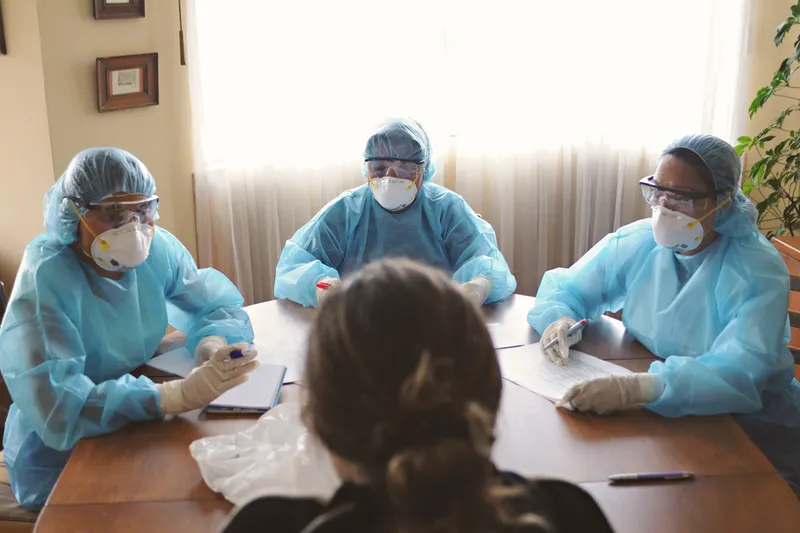
This is not the Ebola most people picture. The outbreak is caused by the Bundibugyo virus, a different species from the Zaire strain that earlier outbreaks targeted. WHO states plainly that no approved vaccines or specific treatments exist for it. Control rests on finding cases fast, isolating them, tracing contacts, burying the dead safely and persuading communities to cooperate.
That makes tracing the main weapon rather than one of several. WHO announced in July that patients were being enrolled in a trial to find the first effective treatments, but until something works, every missed contact is a missed chance to break a chain. Past Bundibugyo outbreaks, in 2007 and 2012, carried fatality rates of about 30 and 50 percent, WHO notes. This one sits at 48.4 percent among confirmed cases.
Fighting, fire and unsafe deaths
Ituri province is the epicentre, with 6,250 cases and 2,885 deaths, per the ECDC figures. It is also a region where armed groups operate. UN News reported on October 1 that a key transit centre for patients burned down in Ituri, and that fighting has restricted humanitarian access to health zones including Fataki, Drodro and Lita.
WHO has tied the persistently high fatality rate to deaths happening in communities rather than in treatment centres, a sign that people are being detected too late or not at all. The agency said the number of mobile safe burial teams in Ituri had risen from 53 to 114. That matters because unsafe burials are a known amplifier, since the virus spreads through contact with the bodies of the dead.
North Kivu deserves attention too. WHO reported the highest fatality rate of any province there, 59.7 percent, and said investigators were still trying to work out why. The agency has not offered an explanation yet, and it would be premature to guess.
A map that keeps widening
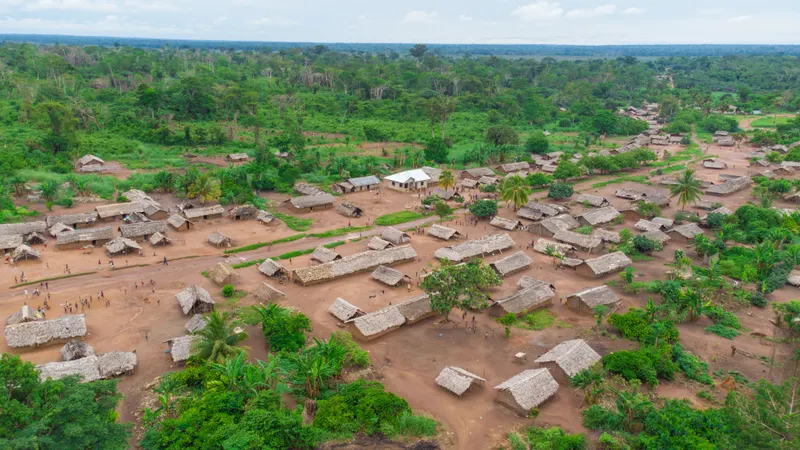
The outbreak now covers 63 health zones across seven of Congo's 26 provinces, WHO reported on September 25. The two newest are Bulu in Sud Ubangi, a province that had never recorded a case, and Dungu in Haut-Uélé, which borders South Sudan. WHO says this expansion raises the risk of cross-border spread.
WHO rates the risk as very high in Congo, high for neighbouring countries, and low for the rest of Africa and the world. The US Centers for Disease Control and Prevention describes the outbreak as spreading substantially faster than earlier ones and now the second largest on record. Only the West African epidemic of 2014 to 2016 was bigger. The 2018 to 2020 outbreak in eastern Congo, which ran about two years, recorded 3,470 cases by comparison, according to the Africa Center for Strategic Studies.
Uganda offers a counterpoint. After early cases, WHO's regional office reported that the country ended its outbreak after completing a 42-day countdown. Quick detection works when the surveillance system can see the cases.
Money is arriving, but tracing is a people problem
Africa CDC said nearly $2.9 billion was pledged for the response at a US-convened meeting in New York, including $886 million from the United States. That is serious money. Whether it translates into the thing that is actually missing, trained teams walking into insecure districts to find hundreds of thousands of exposed people, is a different matter.
Kaseya set out the test himself. If new cases are found through contact lists, no one is dying in the community and no health workers are being infected, he said he could start forecasting when the outbreak might be brought under control, possibly within four weeks. None of those three conditions is met yet.
So the figure to watch in the next WHO update, due October 5 according to ECDC, is not the daily case count. It is the share of new cases that were already on a contact list. Until that number climbs sharply from under 20 percent, the case totals will keep rising.
Written by
Dr. Anand Sharma
Doctor and science communicator.