Blogerroom

Japan's 30-Year Auction Draws Firm Demand at 4.1% Yield
Japan's 30-year bond sale drew a 3.88 bid-to-cover at a 4.11% average yield, even as the 10-year hovers near 3.1%, a level unseen since 1996.
Japan sold 30-year government bonds on Thursday at an average yield of 4.109%, and investors bid for them nearly four times over. The bid-to-cover ratio was 3.88, up from 3.79 at the previous sale and above the 12-month average of 3.56, according to Bloomberg. In a week when bond markets from Washington to Paris have been jittery, that is the kind of result officials hope for.
It is also a measure of how far Japan has traveled. The country that spent a generation offering investors almost nothing now pays more than 4% to borrow for 30 years.
A Smooth Auction at Historic Yields
Japan's Ministry of Finance said it accepted ¥450.7 billion of bids from ¥1,747.2 billion offered, on a bond with a 4.2% coupon maturing in 2056. The lowest accepted yield was 4.121%, against an average of 4.109%, a narrow gap that suggests few buyers needed a large concession.
Bloomberg noted that Japan's bonds were steady after the sale, even though, as the Edge Malaysia's syndication of the report added, the 30-year yield hit its highest level since the bond's debut earlier this week. The auction therefore answered a worry, not a prediction: there is still plenty of domestic demand at these levels.
The 10-Year Crosses a Line
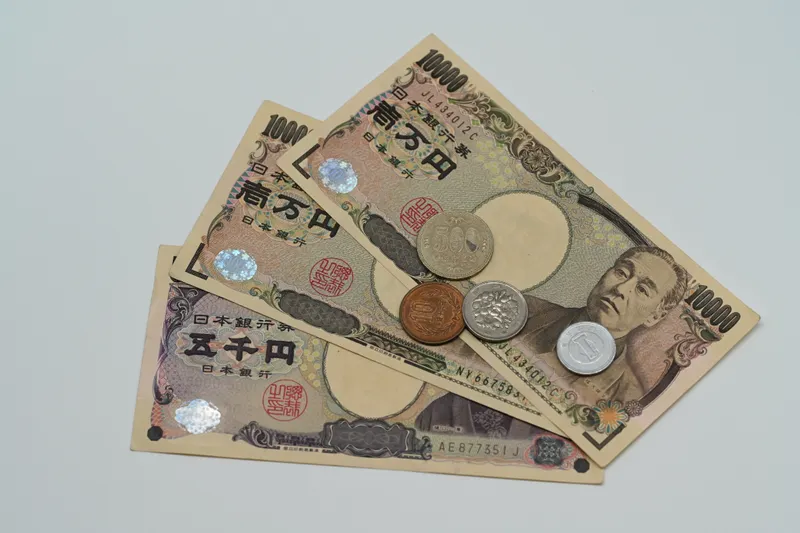
Two days earlier, Nikkei Asia reported that the coupon on new 10-year Japanese bonds topped 3% for the first time in three decades. That auction also went smoothly, but the secondary-market yield still rose, as investors stayed uneasy about inflation tied to the Middle East conflict and about Japan's fiscal outlook.
On Thursday's close, the 10-year yield stood at 3.093%, according to data from the Asian Development Bank's AsianBondsOnline. That is about 103 basis points higher than at the start of the year. In September the 10-year rose to 3.055%, the highest since August 1996, CNBC reported.
Why Yields Keep Rising
Three forces are at work. The first is inflation, driven by energy prices. The second is government borrowing. Euronews reported that the 10-year yield has roughly doubled since Prime Minister Sanae Takaichi took office last October on a platform of fiscal expansion. The third is the yen. It traded around 160 per dollar in early September, a level markets treat as a threshold for renewed intervention, after Tokyo and Washington carried out a rare joint operation in late July, Euronews said.
Washington has also entered the debate. US Treasury Secretary Scott Bessent used the G20 finance meeting to press Japan for faster rate hikes and said he expected Bank of Japan Governor Kazuo Ueda to do the right thing on monetary policy, Euronews reported. Higher Japanese rates make the yen more attractive, which helps explain why a US official has an interest in Tokyo's decisions.
Why It Matters Beyond Japan
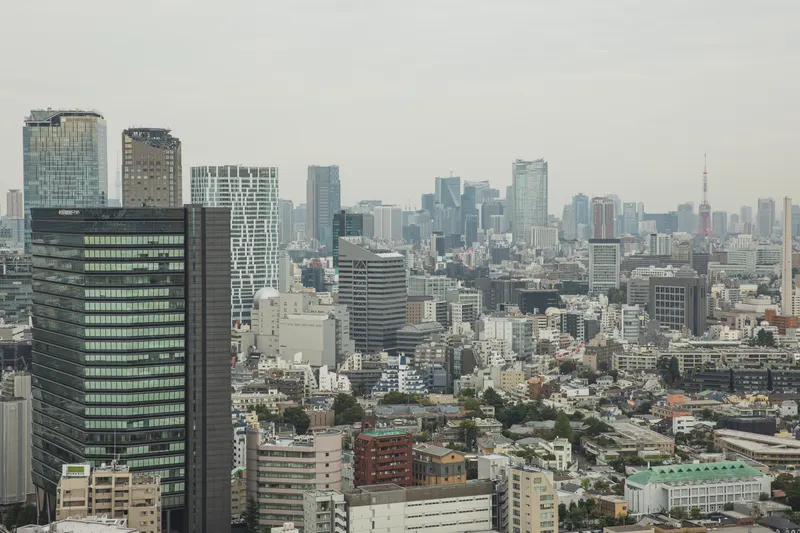
Japan's bond market has long acted as the anchor of global borrowing costs. When it moves, others feel it. CNBC reported that the September jump in JGB yields followed a surge in US Treasury yields, which had reached near two-decade highs, driven by rebounding oil prices and weak demand at a $70 billion Treasury auction. Blogerroom covered that United States episode in its report on the weak Treasury auction that sent yields to near 20-year highs.
Edge Malaysia summarized the backdrop: global bonds are under pressure from inflation concerns linked to the US-Iran war and from worries about public finances. The same pressure lifts yields in every large market at once, so no country can easily escape it by borrowing elsewhere.
The Central Bank Corner
The Bank of Japan has already moved. Blogerroom reported when the BOJ raised rates to a 31-year high while the yen still fell. Rising government yields complicate its task. A central bank that is tightening while the bond market is already pushing long-term yields higher risks adding to the pressure, and one that waits risks a weaker yen and more imported inflation.
My view: the quiet auction is more telling than a failed one would have been. Markets are not refusing to finance Japan. They are charging a higher price, which is a slower and more manageable problem, though one that reduces the room for large new spending.
What to Watch Next
Japan's calendar is busy. The Ministry of Finance announces its 20-year issuance on Oct. 13 and holds a 5-year auction on Oct. 14. Demand at those sales will show whether the strength of the 30-year bid is general or specific to the longest maturity.
Beyond that, three variables matter: whether oil keeps pushing inflation higher, whether the yen returns toward the 160 line that has triggered intervention, and whether the BOJ signals more hikes. A smooth auction buys time. It does not settle the question.
This article is general information, not financial advice.
Written by
Mr. Jitendra Bhatt
Deep understading of finance area and writer covering markets, investing, and economic policy.