 Blogerroom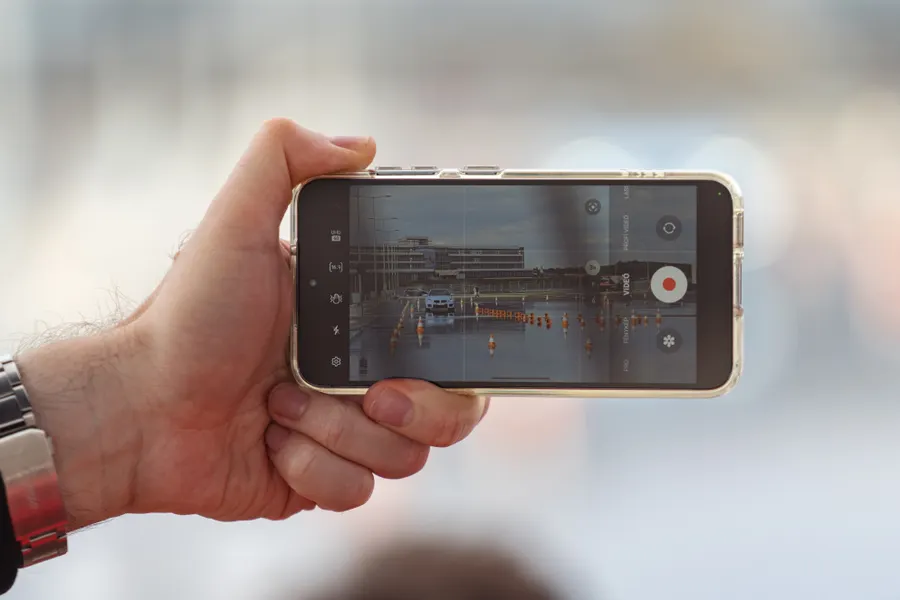
Lawsuit Says DHS Is Tracking Down Citizens Who Watch ICE
Common Cause sued DHS, alleging federal agents surveilled, photographed, and intimidated citizens who peacefully observed ICE raids.
Michael Khalili spent months driving around the Twin Cities with a camera, documenting federal immigration agents as they moved through Minneapolis neighborhoods. According to a lawsuit filed this week, that documentation earned him 55 separate law enforcement database queries since March, a revoked Global Entry membership, and federal officers showing up outside his own home.
Khalili is one of seven Common Cause members whose experiences anchor a sweeping lawsuit filed against the Department of Homeland Security, alleging that federal agencies have been systematically surveilling and intimidating ordinary citizens who peacefully observe immigration enforcement operations. The suit, reported by NPR on September 10, 2026, describes a pattern that stretches across at least three states and multiple federal agencies.
What the observers say actually happened to them
The lawsuit catalogs a range of encounters Common Cause members had with federal officers in Maryland, Minnesota, and New Jersey while monitoring ICE activity in public spaces. According to NPR's reporting on the complaint, those encounters included being photographed, followed, reported to local police, pepper-sprayed, and in at least one case, having federal officers show up directly at an observer's home in Minnesota.
One incident detailed in the suit involves an unnamed Common Cause member who was observing from a public parking lot outside an ICE facility in Maryland. According to the lawsuit, ICE officers directed local police to ban the member from that lot entirely and told the person directly that federal agents had identified them by running their face through a facial recognition database, according to NPR's account of the filing.
Why Khalili kept showing up anyway
Khalili's motivation traces back to a specific incident: the fatal shooting of fellow Minneapolis observer Alex Pretti by federal immigration officers in January. According to Khalili, bystander video of that shooting was what ultimately unraveled inaccurate claims Trump administration officials had made about Pretti afterward, including allegations that he had committed an act of domestic terrorism and was a "would-be assassin." "That's the only reason why the government's lies fell apart," Khalili told NPR.
That episode helps explain why groups like Common Cause treat public observation of immigration enforcement as a meaningful accountability check, not just casual bystander activity. It also explains why, according to the lawsuit, federal agencies appear to have responded to that kind of scrutiny with escalating countermeasures rather than tolerance.
The Global Entry pattern
Perhaps the most concrete, documentable claim in the lawsuit involves Global Entry, the Customs and Border Protection trusted-traveler program that speeds returning travelers through airport customs. Khalili received an email from CBP in March notifying him that his Global Entry membership had been revoked, with the message citing only that "Your Global Entry has been revoked" and no further explanation, according to NPR's reporting.
The timing is what makes the claim notable: the revocation email arrived one day after ICE officers stopped Khalili, photographed him and his license plate, and told him to stop following them. NPR reported that other observers in other states have experienced the same pattern, losing Global Entry status shortly after documented run-ins with federal immigration officers. In at least one case, a person's Global Entry status was reinstated only after a reporter began asking CBP questions about it, according to NPR, a detail that suggests the agency itself may have recognized the revocations wouldn't hold up under outside scrutiny.
What the lawsuit is actually asking a court to do
Common Cause's legal theory centers on a straightforward constitutional claim: observing and recording law enforcement activity in public spaces is protected First Amendment activity, and using surveillance, database queries, and administrative retaliation like benefit revocations to punish that activity crosses into illegal government intimidation. The lawsuit asks the court to declare the alleged surveillance and retaliation practices unlawful and to bar DHS and its component agencies from continuing them.
That's a different legal target than the fight playing out in Denver, where the city and several Latino civil rights organizations recently sued to block armed ICE agents from operating at polling places entirely. Both cases share a common thread, though: they're each asking federal courts to draw a firmer line around how aggressively immigration enforcement can extend into spaces, whether that's a polling place or a public sidewalk, where ordinary civic activity is supposed to be protected from federal interference.
A pattern that's been building for months
NPR noted that this lawsuit isn't the first documentation of this kind of activity; the outlet has separately reported on numerous other instances of people who legally observed ICE describing intimidation and threats from federal officers, suggesting the pattern extends well beyond the seven named plaintiffs in this specific case. That broader documentation matters for how a court is likely to evaluate the claims: a pattern corroborated by independent reporting carries more weight than isolated, disputed incidents.
It also raises the stakes for DHS's response. If the surveillance and retaliation described in the lawsuit reflects agency policy rather than a handful of rogue officers acting independently, the remedy a court could order would need to reach much further than individual discipline, potentially reshaping how ICE and CBP are permitted to respond to public observation nationwide.
What happens next
DHS had not filed a public response to the lawsuit as of publication, and the agency has previously declined to comment in detail on individual incidents NPR has documented involving ICE observers. Given the breadth of the claims, spanning three states and multiple federal agencies, this case is likely to move slower than some of this year's more time-sensitive election-related lawsuits, since it isn't tied to an imminent deadline like a vote count or a specific enforcement action.
What it does add is another data point in a broader legal reckoning playing out this year over how far federal immigration enforcement can extend into everyday civic life, a reckoning that already includes fights over polling place access and mail ballot rules moving through the courts on parallel, accelerated tracks ahead of November. Whether courts ultimately treat filming a federal agent from a public sidewalk as protected civic vigilance or as something DHS can legitimately discourage will likely shape how comfortable ordinary citizens feel documenting government conduct in their own neighborhoods going forward.
Written by
Dr. Anand Sharma
Deep Understanding of domestic and international policy.

