Blogerroom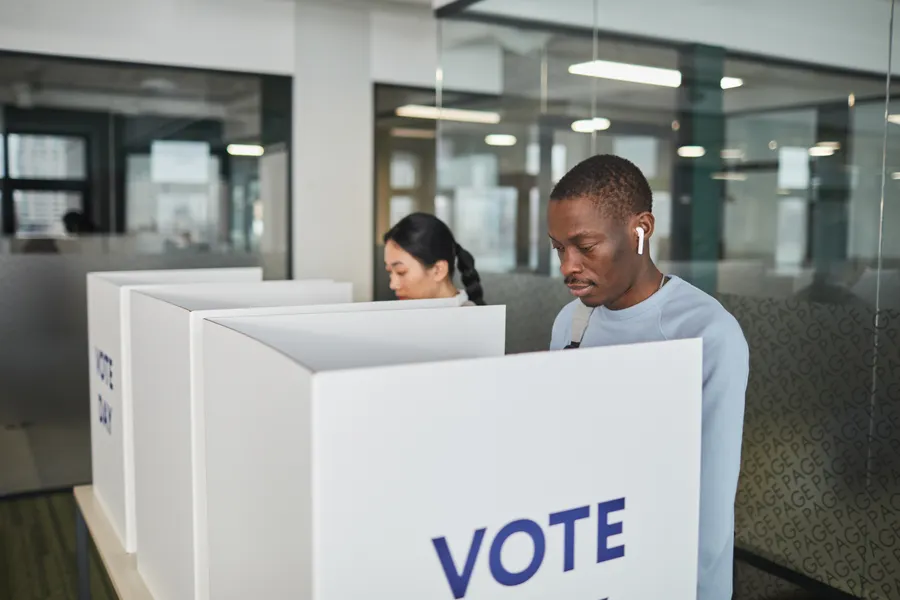
Brazil Votes Sunday as Lula Leads but Runoff Looks Tied
Datafolha has Lula at 40% to Flávio Bolsonaro's 36% before Sunday's vote, but a bank scandal and a 47-45 runoff keep the race open.
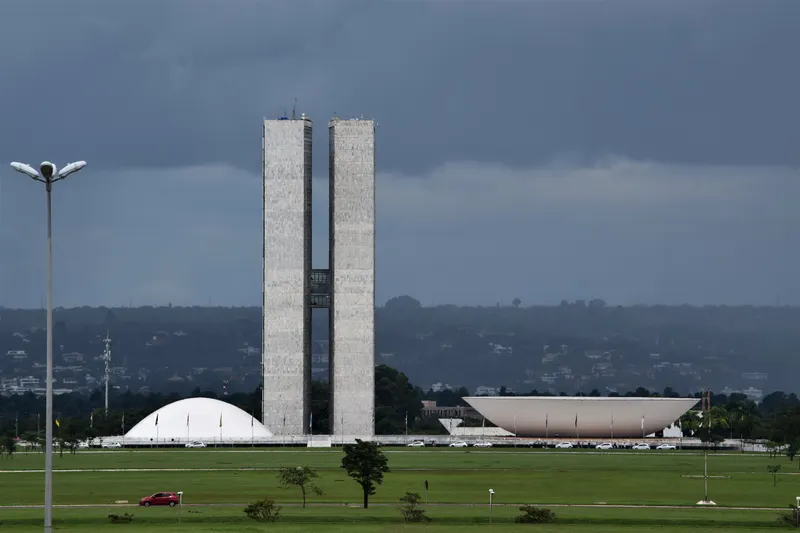
Brazil's 150 million-plus voters go to the polls on Sunday, and the most likely outcome is that nobody wins. President Luiz Inácio Lula da Silva leads in the first round, according to every major poll released in the final week. None has him close enough to the majority needed to avoid a runoff on Oct. 25. And in a head-to-head with Senator Flávio Bolsonaro, the polls say the race is a toss-up.
A Lead That Is Not Enough
Brazilians will elect a president, governors, two-thirds of the Senate, the entire Chamber of Deputies and more than 1,000 state assembly seats, according to Americas Quarterly. A presidential candidate must win more than 50% of valid votes, which exclude blank and null ballots, to avoid a second round.
The most-watched poll, Datafolha, reported by Al Jazeera, gives Lula 40% and Bolsonaro 36% in the first round, ahead of Augusto Cury at 5%, Ronaldo Caiado at 4% and Renan Santos at 3%. An AtlasIntel poll for Bloomberg, surveying 5,005 people between Sept. 23 and 28, had Lula near 45% and Bolsonaro near 42%.
Those numbers describe a lead of three to four points, not a landslide. They also leave roughly a quarter of respondents outside the top two, undecided, or planning to vote blank. That is my arithmetic from the Datafolha figures, but it points to where the runoff will be decided.
The Runoff Is a Coin Toss
Datafolha has Lula ahead 47% to 45% in a second round, and a BTG Pactual/Nexus poll puts it at 46% to 45%, Al Jazeera reported. AtlasIntel showed both men near 48%. The Rio Times' poll tracker lists Quaest at 42% each in its Sept. 28 wave, and several smaller online pollsters show Bolsonaro numerically ahead.
All of these differences sit inside the margin of error. The gap between polling houses is itself information: the electorate has not settled, and methods that reach different kinds of voters are producing different pictures.
A Scandal That Cuts Both Ways
Bloomberg described the campaign as repeatedly upended by a massive bank fraud investigation that weighs on both candidates. The Americas Society/Council of the Americas said the inquiry centers on banker Daniel Vorcaro and points to links with both campaigns. The Rio Times reported that coverage connected Flávio Bolsonaro to alleged financing for a film glorifying his father, former president Jair Bolsonaro, and that a Datafolha poll in May showed Lula's lead widening after the so-called Banco Master revelations.
The pattern is striking. A scandal that should help the challenger helps neither fully, because voters see both camps touched by it. AS/COA noted that corruption rose as a top voter concern in the final three weeks, which fits an electorate worn down by it.
Who Backs Whom
The coalitions are sharply split. A Quaest poll for Globo, reported by the Rio Times, found Flávio Bolsonaro leading among evangelicals 58% to 28% and among voters earning more than five minimum wages 53% to 33%. Lula leads among recipients of the Bolsa Família welfare program, 56% to 30%.
Both men also have high rejection rates. AS/COA put them at about 50% each, and found more than 70% of Brazilians describe the country as polarized, with nearly half of that group saying the division wears them out. Lula, 80, is seeking an unprecedented fourth term. Flávio, 44, is running on the legacy of a father who is in prison, according to Reuters.
For a contrast in how turnout shapes outcomes, consider Morocco's recent election, where only 38% of registered voters took part. In Brazil, where voting is compulsory, the question is not who shows up. It is who the people who must vote can bring themselves to choose.
What to Watch Sunday and After
Globo's final debate was scheduled for Oct. 1, and the Rio Times reported that Lula had not confirmed attendance as of Wednesday morning. Debates rarely move a two-point race, but a stumble in the final days could.
On Sunday night, three numbers will matter. First, whether Lula clears 45% of valid votes, which would suggest momentum into the runoff. Second, Bolsonaro's distance behind him. Third, the combined share of Cury, Caiado and Santos, who together polled 12% in Datafolha. Their voters, and the blank and undecided, will choose the next president on Oct. 25.
With rejection near half of the electorate for both men, the winner will likely be the one whose opponent frightens more people, not the one who inspires them.
Written by
Dr. Anand Sharma
Deep Understanding of domestic and international policy.