Blogerroom
Army Secretary Driscoll Resigns After Clashes With Hegseth
Army Secretary Dan Driscoll resigned after 18 months, following months of friction with Hegseth over fired generals and Army transformation.
The youngest Army secretary in history is out after 18 months
Dan Driscoll became the youngest-ever secretary of the Army last year at just 38 years old, arriving with plans to rapidly modernize the force around drones and other emerging technologies. On Monday, the White House confirmed he had submitted his resignation to President Trump, ending an 18-month tenure that included the capture of former Venezuelan president Nicolás Maduro, negotiations between Russia and Ukraine, and six months managing the Army's role in the ongoing Iran war. It also included months of escalating friction with Defense Secretary Pete Hegseth, tension that multiple sources say ultimately drove him out.
An Army official told CNN that Driscoll "spoke to the president about the current state of the Army and submitted his resignation." Driscoll himself was more diplomatic in his own public statement, writing on X that "we could have not made the progress we did without the support of Secretary Hegseth," without stating his actual reason for leaving. The gap between that public gratitude and the private tension multiple outlets have documented for months is itself part of the story.
What the fight was actually about
At the center of the Driscoll-Hegseth relationship was a fundamentally different view of who belongs in Army leadership, and how much authority Hegseth should have to reshape it unilaterally. A source familiar with Driscoll's resignation told CNN that in his departure conversation with the administration, Driscoll "brought up concerns with the administration surrounding Army transformation and readiness and Hegseth's blocking those efforts specifically by firing the generals who were responsible."
The most consequential of those firings came in April, when Hegseth forced out Gen. Randy George, the Army's chief of staff, without publicly giving a reason. George and Driscoll had worked closely together, and the dismissal visibly rattled Driscoll. Testifying before Congress afterward, he described learning the news while on vacation with his family in North Carolina: "We walked right in, and we all gave him a hug," Driscoll said of the moment he and his family drove to George's home. He didn't hide his admiration for the general either, telling lawmakers, "I adore them... he was an amazing, transformational leader." George wasn't an isolated case. Hegseth also ousted Gen. Christopher Donahue, commander of U.S. Army Europe and Africa, in June, along with at least five other senior Army officers, according to the New York Times, part of a pattern of more than a dozen general and admiral firings across the military since Hegseth took office.
A drone battalion caught in the crossfire
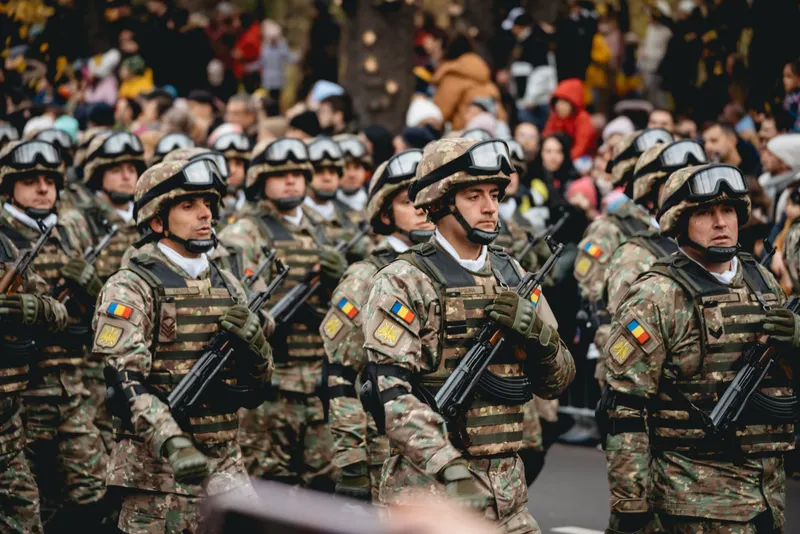
One specific casualty of the leadership purge illustrates what Driscoll says he was actually trying to protect. George and Donahue had both been strong supporters of a newly formed Army drone battalion, created specifically to translate hard-won lessons from the intense drone warfare unfolding in Ukraine into U.S. Army doctrine and equipment. That kind of rapid technological adaptation was central to Driscoll's own stated agenda when he took the job, and losing the two generals most invested in it represented a direct setback to the modernization push he'd built his tenure around.
Axios reported additional friction over personnel decisions beyond the general officer firings: tension over Hegseth allegedly removing four officers, two Black men and two women, from a promotions list after Driscoll refused to do so himself. In February, Hegseth also forced the ouster of one of Driscoll's senior advisers, Col. David Butler, a former spokesperson for retired Gen. Mark Milley, a frequent target of Trump administration criticism. Fox News reported that Driscoll had actually resisted Hegseth's pressure to remove Butler before ultimately losing that fight too.
The Vance connection that offered protection, until it didn't
Driscoll's position inside the administration was always somewhat unusual: he's a longtime friend of Vice President JD Vance, a relationship Axios reported gave him some measure of protection from Hegseth's broader pattern of distrust toward officials around him, civilian and military alike. That friendship apparently bought Driscoll more runway than most of the officers Hegseth pushed out, but it wasn't enough to prevent the friction from eventually reaching a breaking point after 18 months.
The timing of Driscoll's exit also lands awkwardly for the administration. It arrives six months into the Iran war, a conflict with no clear end date, and comes as the Pentagon's senior ranks have already seen a wave of turnover under Hegseth. CBS News reported that Deputy Army Undersecretary Dave Fitzgerald is also expected to step down this week, suggesting Driscoll's departure may trigger further turnover beneath him rather than standing as an isolated event.
Reaction split along familiar lines
The White House's official response praised Driscoll warmly. Spokeswoman Anna Kelly said he had "been highly effective in advancing President Trump's agenda" and credited him with "outstanding leadership" during "historic military operations," pointing specifically to the Maduro capture operation, Russia-Ukraine negotiations, and broader readiness improvements. That praise notably avoided any direct comment on the Hegseth tension driving the departure.
Congressional Republicans, for their part, were more willing to voice discomfort. Sen. Mike Rounds, R-S.D., said he was "disappointed" Driscoll left, telling reporters he was "hearing the same rumors everybody else is: that he was frustrated with some of his top generals being released," and signaling that senators would be asking pointed questions about Pentagon leadership when Congress returns from recess. Rep. Austin Scott, R-Ga., offered a similarly mixed assessment: "He's a good man that did a good job. I hate to see him go, but I can't say I'm surprised." Rep. Steve Womack, R-Ark., praised Driscoll as a "transformative leader" while carefully avoiding any direct criticism of Hegseth, a pattern that held across most Republican reactions: genuine regret at Driscoll's departure, paired with reluctance to publicly blame the defense secretary who drove it.
What happens next, and why it matters beyond one resignation
It remains unclear exactly when Driscoll will formally leave the role; typically, the Army's under secretary steps in as acting secretary during a transition like this. But the deeper significance of his departure extends past the personnel question. Driscoll's exit is the latest and most senior example of a broader pattern that's defined Hegseth's tenure at the Pentagon: a defense secretary willing to repeatedly override or remove officials, including a Cabinet-level Army secretary with a direct line to the vice president, when they resist his approach to leadership and personnel. Whether that pattern strengthens the administration's control over military messaging and priorities, or gradually hollows out the institutional expertise and continuity the Army depends on during an active war, is a question lawmakers on both sides of the aisle are now signaling they intend to press harder once Congress reconvenes.
Written by
Dr. Anand Sharma
Deep Understanding of domestic and international policy.