Blogerroom

FDA Approves First RNA-Targeting Hepatitis B Drug Hibsago
Hibsago, approved Oct. 20, produced functional hepatitis B cure in 19% of patients versus 0% on placebo, but 81% did not, and a boxed warning applies.
For people with chronic hepatitis B, treatment has meant daily antiviral pills, often for life. Those drugs hold the virus down but rarely clear it. On Oct. 20, the US Food and Drug Administration approved a medicine built to change that for a minority of patients, and the number that defines the change is 19%.
Hibsago, the brand name for GSK's bepirovirsen, is the first antisense oligonucleotide approved for chronic hepatitis B, according to a report from Men's Fitness carried by AOL. It works on the virus's RNA, the instructions used to make viral proteins, which is a different target from the antivirals already on the market.
What the Approval Covers
The approval is narrow. Hibsago is used alongside existing antiviral medicines for adults who do not have cirrhosis, have taken hepatitis B antivirals for at least six months, have suppressed viral DNA in the blood and have hepatitis B surface antigen, a viral protein called HBsAg, at or below 3,000 IU/mL, as measured by an FDA-authorized test.
The agency also authorized Roche's Elecsys HBsAg II quant II assay to help select and monitor patients. The drug is injected under the skin weekly for up to 24 weeks, with patients staying on their antivirals during treatment and for at least 24 weeks afterward. Only those who meet laboratory criteria may then stop, under medical supervision.

What the Trials Showed
Approval rests on two randomized, double-blind, placebo-controlled phase 3 trials, B-Well 1 and B-Well 2, run in 29 countries in adults already on nucleoside antiviral therapy, according to PharmExec. Participants received 300 mg of bepirovirsen weekly for 24 weeks or placebo.
In pooled data, 233 of 1,220 treated participants, or 19%, achieved functional cure, compared with none of 614 on placebo. Rates were 20% in B-Well 1 and 19% in B-Well 2 at week 72. Among patients whose surface antigen was at or below 1,000 IU/mL at the start, 200 of 768, or 26%, reached functional cure, versus none of 393 on placebo. The results were published in the New England Journal of Medicine.
What "Functional Cure" Means
The term needs care. Functional cure means that viral DNA and surface antigen stay undetectable for at least 24 weeks after all treatment has stopped, consistent with guidance from a joint American and European liver disease conference, PharmExec said. It describes control without ongoing therapy at the measured follow-up point. It does not prove every trace of the virus is gone for good.
The AOL report adds a second figure: 24% of those given Hibsago met the requirements to stop their existing medicine, compared with none on placebo. In other words, roughly one in five treated patients got what the trial counted as a cure. Most did not.
The Safety Warnings
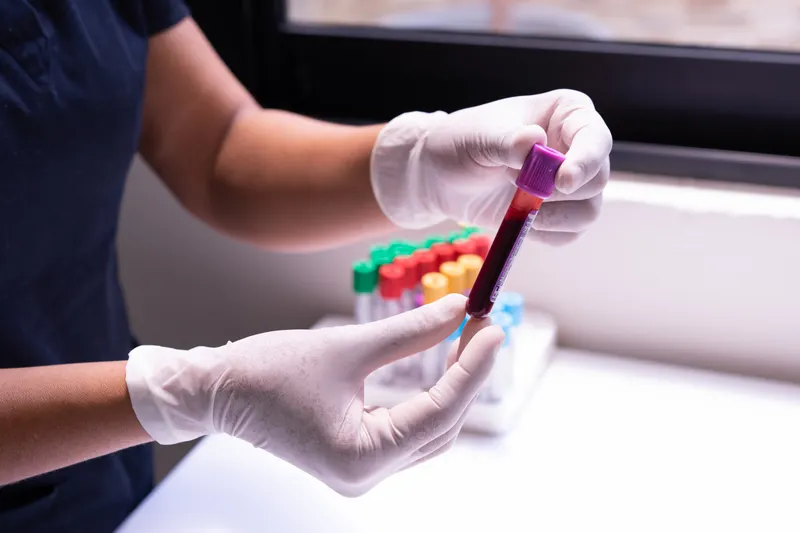
Hibsago carries a boxed warning, the FDA's most serious label, for serious liver reactions and for low platelet counts, which can cause potentially life-threatening bleeding. Other warnings cover worsening kidney function, serious inflammatory reactions such as vasculitis, and risks from improper injection. The most common side effects, aside from laboratory abnormalities, are injection-site reactions, fever, fatigue and headache.
Regular blood tests and follow-up are required before and during treatment. For a disease that often causes no symptoms, a drug that can itself cause liver reactions sets a high bar for monitoring.
Why It Matters
Chronic hepatitis B can lead to cirrhosis and liver cancer, yet many infected people do not feel sick, the AOL report noted. The Centers for Disease Control and Prevention recommends that every adult be screened at least once. Hepatitis B is a global health problem, but this approval applies only to the United States for now, and I have not seen a price or an international rollout plan.
A time-limited treatment has a practical logic that echoes other chronic conditions. Blogerroom reported that long-acting HIV injections beat daily pills in African teens, another case where changing how a virus is controlled could reduce the burden of daily treatment. And as with the colon cancer drug Blogerroom covered in its report on the FDA's Tecentriq approval, the results come with a clear caveat: a meaningful benefit for some patients, not a universal one.
My view: the honest summary is that 19% is a large step for a disease where a cure was once treated as unrealistic, and that 81% is the number patients and doctors need to keep in mind. This is a treatment for carefully selected people, not a replacement for antivirals.
What to Watch Next
Several questions remain open. How durable the cures are over years, how the drug performs outside trial settings, what it will cost, and when regulators in Europe and Asia will decide. The trials were funded by GSK, and the sources I reviewed give limited detail on long-term follow-up.
Anyone with hepatitis B should not stop or change medicine without their doctor's advice. This article is general information, not medical advice.
Written by
Dr. Anand Sharma
Doctor and science communicator.