Blogerroom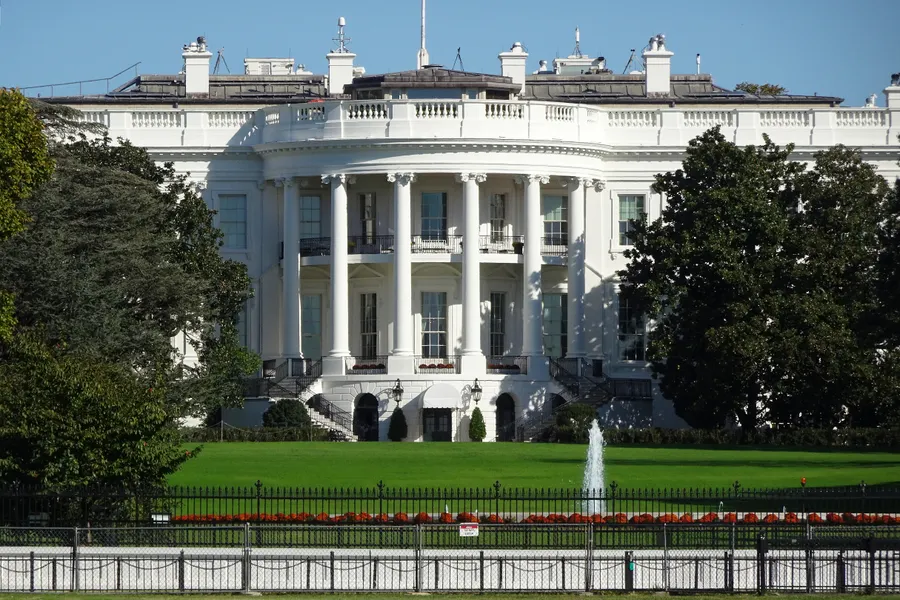
Trump-Xi Summit Ends With Trade Truce Extended to 2027
Xi's first US state visit in 11 years delivered pageantry and a two-month trade truce extension, but no breakthroughs on tariffs, AI or Iran oil.
Three days of ceremony, one real announcement
Chinese President Xi Jinping ended his first formal trip to Washington in 11 years on Friday with a tea in the White House Red Room, and the guest list of concrete outcomes was short. The one item tariff watchers cared about was announced the day before the talks even wrapped: the United States and China agreed to extend their existing trade truce by two months, with a new deadline for trade negotiations set in early 2027. Everything else that emerged from the visit, by most accounts, belonged in the category of gesture rather than policy.
Bloomberg summarized the summit as one that "lacked major breakthroughs but kept ties between the world's biggest economies on track." That is a fair description of what investors got. Nothing was cut, nothing was escalated, and the calendar for the next round of negotiations was pushed out.
What the extension actually buys
The truce being extended traces back to the agreement Trump and Xi reached in Busan, South Korea, which scaled back a cycle of tit-for-tat trade measures after tariffs had already been slashed in May 2025 following talks in Switzerland. Extending it by two months is a modest move, and the short timeline is the point. According to CNBC's summit takeaways, the shorter window could hand both sides negotiating leverage heading into future talks, since neither is locked into a long standstill it might later regret.
Beijing's readout described a "new joint arrangement" on bilateral trade without giving a date. Trump's team, for its part, has said the coming months could yield a "bigger deal." U.S. Trade Representative Jamieson Greer was less breezy, making clear that trade tensions could quickly re-emerge. Read together, those statements describe a pause that both governments are willing to keep extending in small increments rather than a settlement either is ready to sign.

The trade numbers underneath the pageantry
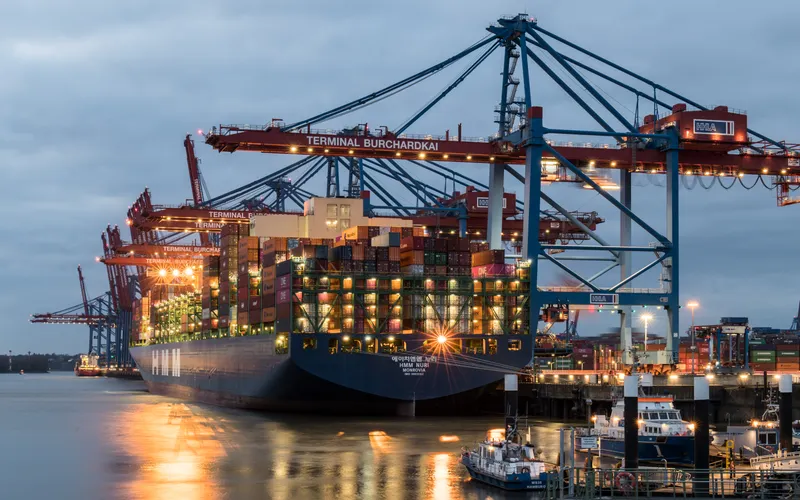
The backdrop matters here. According to U.S. data cited by CNBC ahead of the visit, total goods trade between the two countries fell nearly 30% in 2025 compared with the year before, and the first seven months of 2026 show the decline continuing. So the truce is being preserved around a trading relationship that is already substantially smaller than it was, not one that is growing.
That is useful context for anyone reading "trade stability" as good news. Stability at a lower level of trade is still a cost, and the extension does not restore any of what was lost. What it does is remove the near-term risk of a new round of tariff escalation landing on a relationship already running well below its previous volume.
Trump also had a domestic reason to want a visible economic win. CNBC noted his polling on the economy has sunk to new lows, which raised the incentive to emerge with some form of deal to point to. He did not get a large one.
Where the summit went quiet: AI and Iranian oil
Two topics that were supposed to be central produced almost nothing public. On artificial intelligence, reporting from the summit found that neither the United States nor China showed much interest in wide-ranging moves to rein in the technology, such as regulating frontier models. Xi used the visit to reiterate warnings about a "Thucydides trap," the idea that a rising power and an established one drift toward conflict. The one earlier signal of movement came from Treasury Secretary Scott Bessent's meeting with Vice Premier He Lifeng days before the summit, where the two discussed a possible AI dialogue with a notification system for national-security-level incidents. Nothing announced at the summit went further than that.
On Iran, the silence was more pointed. As Xi arrived Friday, Trump ignored shouted questions from reporters about whether he had urged China to stop buying oil from Iran, a major point of contention while Washington looks to ramp up economic pressure on Tehran. That leaves the largest buyer of Iranian crude as an unaddressed variable for oil markets, at a time when investors were already whipsawed by bond auctions and oil swings earlier in the week.
The other deliverables
The softer announcements came from Xi. He promised two giant pandas for Zoo Atlanta and study invitations for 100,000 American students. Neither has any bearing on tariffs, and both were offered in a summit whose most concrete economic result was a delay. One report cited by Yahoo Finance described the dynamic beneath the ceremony as "mutual suspicion," saying the elaborate welcome "could not hide the lack of substantive progress."
What investors should take from it
The practical read is narrow. The next hard date on the U.S.-China trade calendar is now early 2027, so the immediate tariff risk has been pushed back rather than resolved. Trump and Xi last met in Beijing in mid-May, another summit heavy on ceremony and light on deliverables, and this one followed the same pattern.
That pattern is itself information. Two governments that keep meeting, extending, and deferring are signaling that neither wants to reopen a full trade fight, and neither is ready to negotiate the structural issues, technology controls, Taiwan, Iranian oil, that would justify a real deal. For now, the extension means the trade relationship is frozen at its current, reduced level. The next test is whether the "bigger deal" Trump's team keeps mentioning ever gets written down before the new deadline arrives.
Written by
Mr. Jitendra Bhatt
Deep understading of finance area and writer covering markets, investing, and economic policy.