Blogerroom
China Exports Jump 36.3% on AI Demand as Surplus Nears $1T
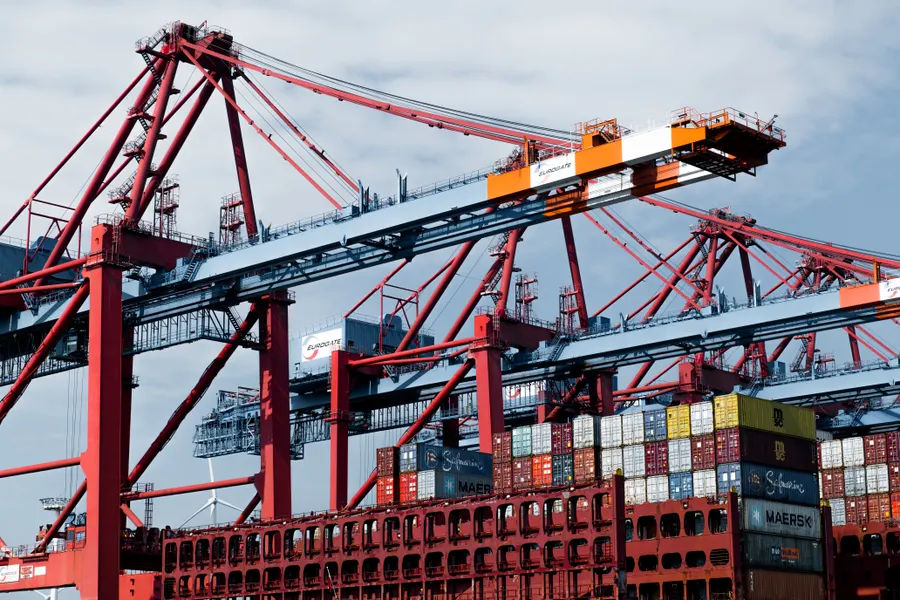
China's September exports rose 36.3% on chips and autos, lifting its nine-month surplus to $938 billion as the EU presses Beijing to rebalance trade.
China's customs agency reported on Wednesday that exports surged 36.3% in September from a year earlier, far above the 25.5% economists had forecast in a Reuters poll, and the fastest pace since February. It is the kind of number that looks like strength and invites a harder question: who is buying, and for how long will they accept it?
The surplus that came with it is now close to the size of a mid-sized economy's annual output, and the countries on the other side of it are running out of patience.
The Numbers
Imports rose 31.0%, beating forecasts of 24.5% and accelerating from 28.2% in August, according to customs data reported by Investing.com. That left a trade surplus of $133.5 billion in September, wider than August's $119.1 billion and above the $116.8 billion forecast.
For the first nine months, China's trade surplus reached $938 billion, the Associated Press reported. That puts it on course to surpass last year's full-year record of $1.2 trillion, an annual total that was already a record.
What Is Driving It
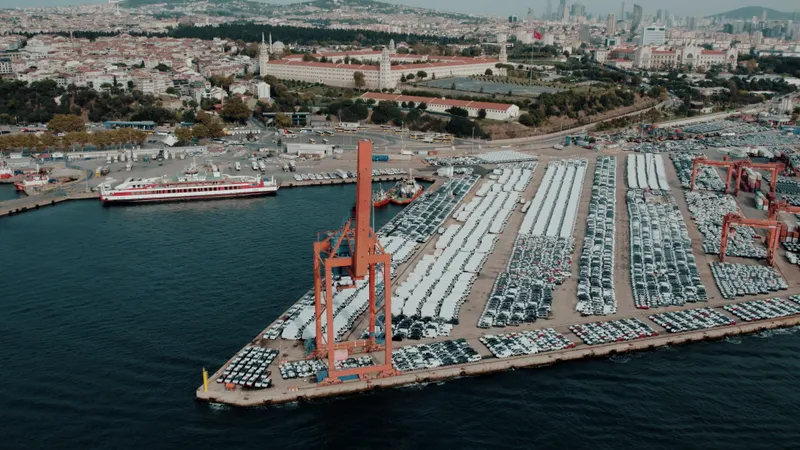
The engine is high technology. Between January and September, China's semiconductor exports soared 108.1% in value from a year earlier, customs data showed. Exports of data-processing equipment and parts jumped 54.6%, and car exports rose 54.3%, led by global demand for Chinese electric and hybrid vehicles, AP reported.
Reuters and CNBC linked part of the surge to a boom in demand for China-made parts for data centers powering artificial intelligence, alongside a stabilization in tensions with the United States. Last month, the two sides agreed to roll back tariffs on $30 billion of goods each and extend a trade truce by two months, to January, Reuters said.
That AI link ties the story to Blogerroom's earlier look at how chips powered the Nasdaq to a record. The same spending boom that lifts American chip shares is filling Chinese factory order books.
The Pushback
Trading partners are moving. The European Union is struggling to narrow a trade deficit with China that exceeds $1.1 billion a day, AP reported. A summary of analyst views noted that, while US-China tensions have eased, the EU's push to rebalance directly targets high-value exports. An agreement reached this month to limit China's hybrid-vehicle exports to the EU deals a blow to car shipments, though Reuters said the effect is unlikely to show up this year.
Eswar Prasad of Cornell University told AP that many of China's trading partners face weak growth prospects and fear their manufacturers will be overrun. Policymakers abroad also point to a weaker yuan, which makes Chinese goods cheaper overseas. China has said it has no need or intent to gain advantage through devaluation and that its trade growth reflects competitiveness.

Strength Abroad, Softness at Home
The export boom is covering for weak demand at home. The International Monetary Fund this week lowered its forecast for China's 2026 growth to 4.5%, down 0.1 percentage point, and warned that strong exports cannot fully offset domestic weaknesses, according to AP. Beijing's target is 4.5% to 5%, so the IMF puts the economy at the bottom of that range. China will release third-quarter growth figures next week.
Blogerroom covered the other side of the same economy when China's factory PMI returned to 50.1 while input costs climbed faster than output prices. A manufacturing sector that depends on overseas orders and costly inputs is squeezed on both ends.
Why Imports Rose So Fast
A 31% jump in imports looks puzzling next to weak domestic demand. Two explanations are plausible, though I have not seen either confirmed in the data. Energy and commodity prices are far above last year's levels, which would inflate the dollar value of imports. And export manufacturing itself requires imported components, so rising shipments of chips and equipment pull in more inputs. If that is right, part of the surplus is a story about prices and supply chains, not only about booming sales.
What to Watch Next
First, next week's third-quarter GDP figure, which will show whether the export boom is enough to hold growth within Beijing's target. Second, the response from Brussels and other capitals: more targeted restrictions would test whether the export pace can continue. Third, the yuan, because a weaker currency would intensify the dispute.
My view: record surpluses are becoming a political liability. Each month of numbers like these makes it harder for China's partners to treat the problem as temporary, and easier to justify the measures that would end it.
This article is general information, not financial advice.
Written by
Mr. Jitendra Bhatt
Deep understading of finance area and writer covering markets, investing, and economic policy.